

Gluten-free eating has become a central topic in the nutritional debate in recent years. For those with celiac disease, it represents the only life-saving treatment available. But what does eating gluten-free really mean?
What is Gluten and How Does It Work in the Body?
Gluten is not a single protein, but a protein complex consisting of two main classes of proteins: prolamins (called gliadins in wheat) and glutelins (glutenins in wheat). These proteins are found primarily in cereals such as wheat, barley, rye, spelt, and kamut.
In a healthy person, gluten is digested by normal gastrointestinal enzymes. However, in genetically predisposed individuals, the binding of gliadin to intestinal receptors triggers an abnormal immune response. This reaction leads to chronic inflammation of the small intestinal mucosa, resulting in atrophy of the intestinal villi, the structures responsible for nutrient absorption.
Celiac Disease vs. Non-Celiac Gluten Sensitivity (NCGS)
It is essential to distinguish between the different conditions that require a gluten-free diet :
1. Celiac disease
It's a lifelong autoimmune disease. The damage is structural, and gluten avoidance must be rigorous and complete to avoid long-term complications.
2. Non-Celiac Gluten Sensitivity (NCGS)
Individuals who exhibit celiac-like symptoms and test negative for celiac disease.
Regulations and Food Safety:
For those following a gluten-free diet, reading labels is a preventative measure. Regulation (EU) 1169/2011 requires clearly indicating the presence of allergens, including cereals containing gluten, in the ingredients list, often highlighting them with a distinctive font (bold or a different color).
Furthermore, Regulation (EU) 828/2014 defines the wordings that can be used:
- "Gluten-free": permitted only for products with a gluten content of less than 20 ppm (20 mg/kg), a threshold considered safe for almost all celiacs.
- "Very low gluten": permitted where the gluten content is between 21 and 100 ppm
What to Eat
A balanced gluten-free diet should not rely exclusively on processed substitutes, but should give priority to foods that are naturally gluten-free.
Naturally Gluten-Free Foods
- Cereals and Pseudocereals: Rice, corn, buckwheat, quinoa, amaranth, millet, and teff.
- Legumes: Excellent source of plant-based protein and fiber.
- Fruits and Vegetables: Naturally gluten-free and rich in micronutrients.
- Animal Proteins: Meat, fish, eggs and milk (if not processed with gluten-containing additives).
Matt's Answer: Quality and Safety in Gluten-Free
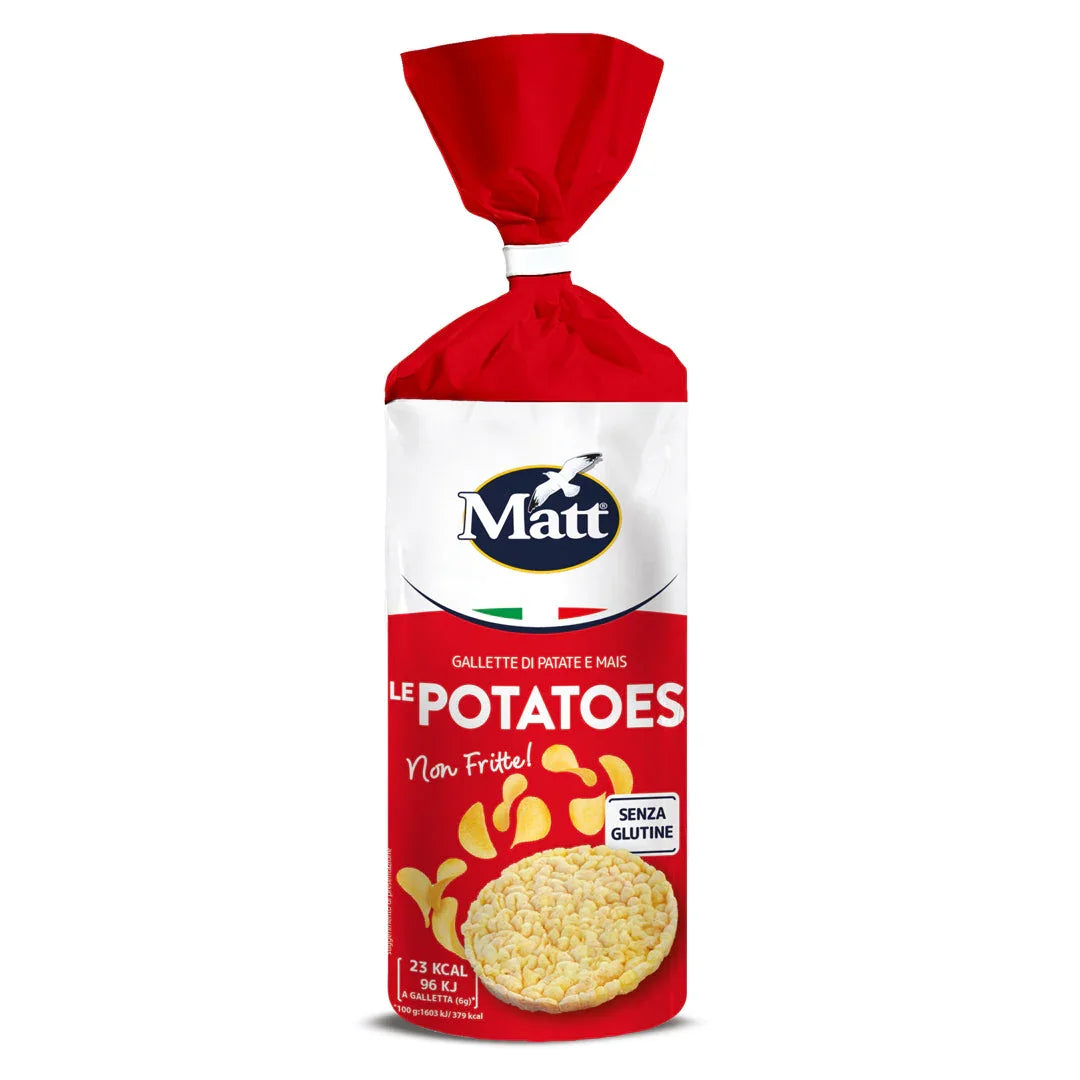
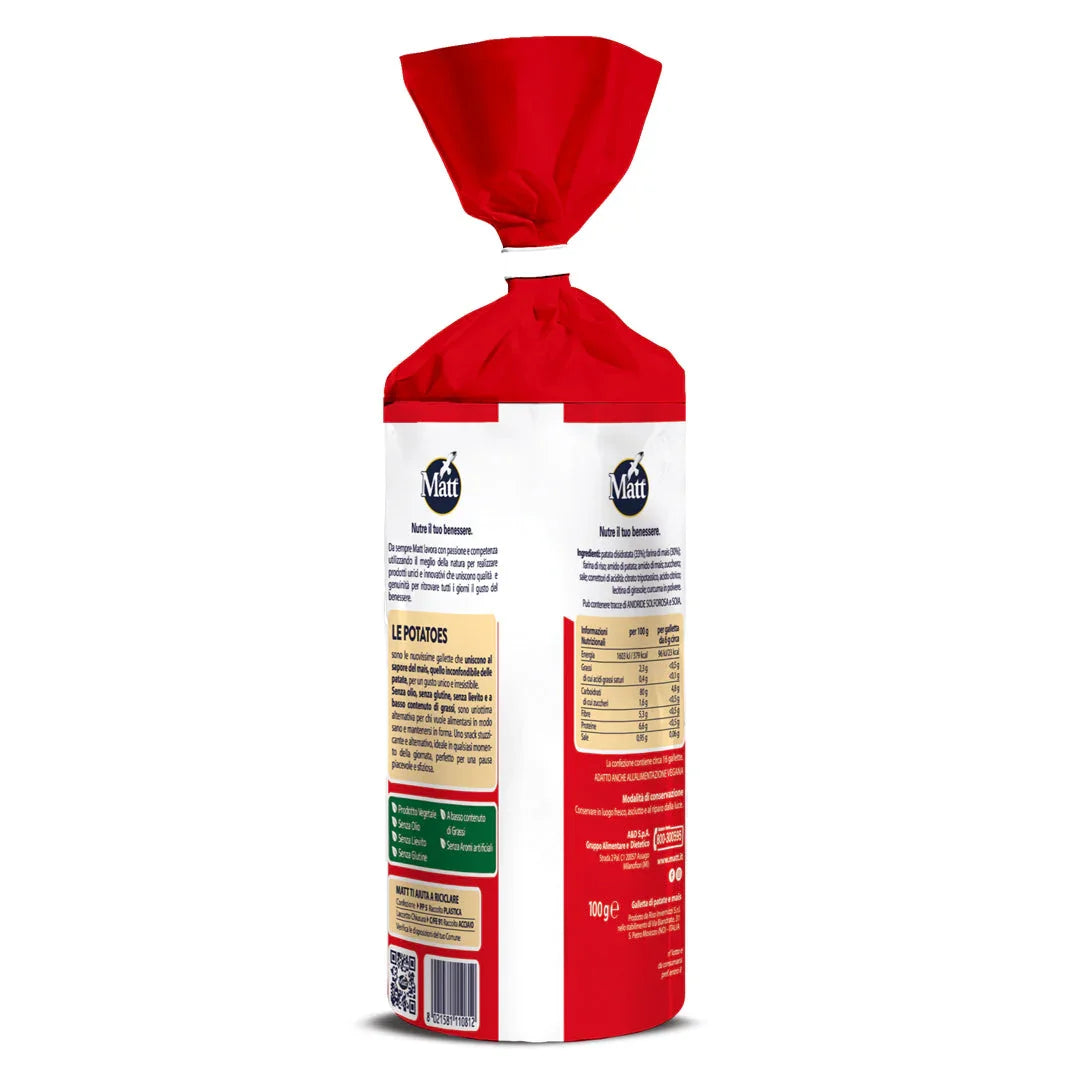
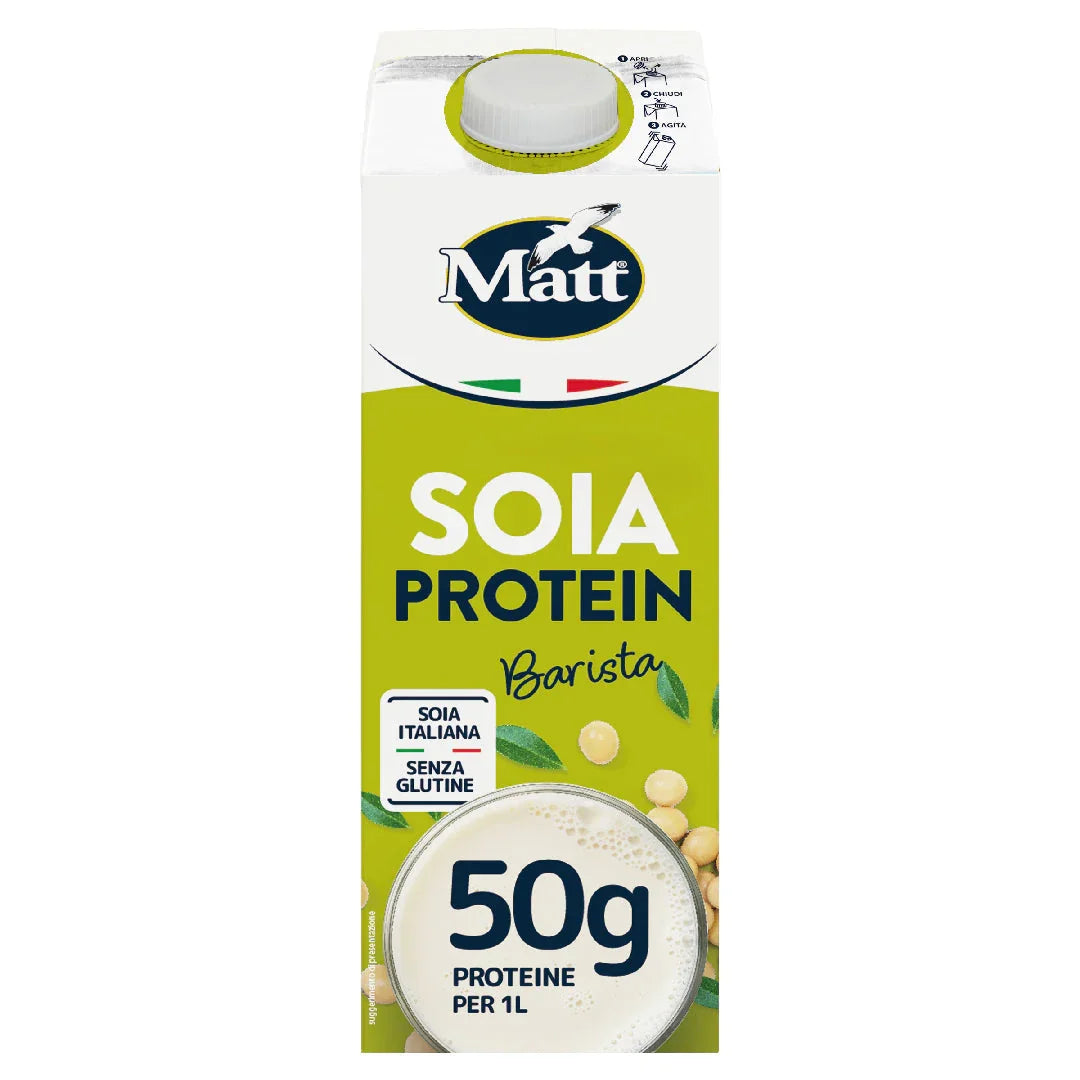
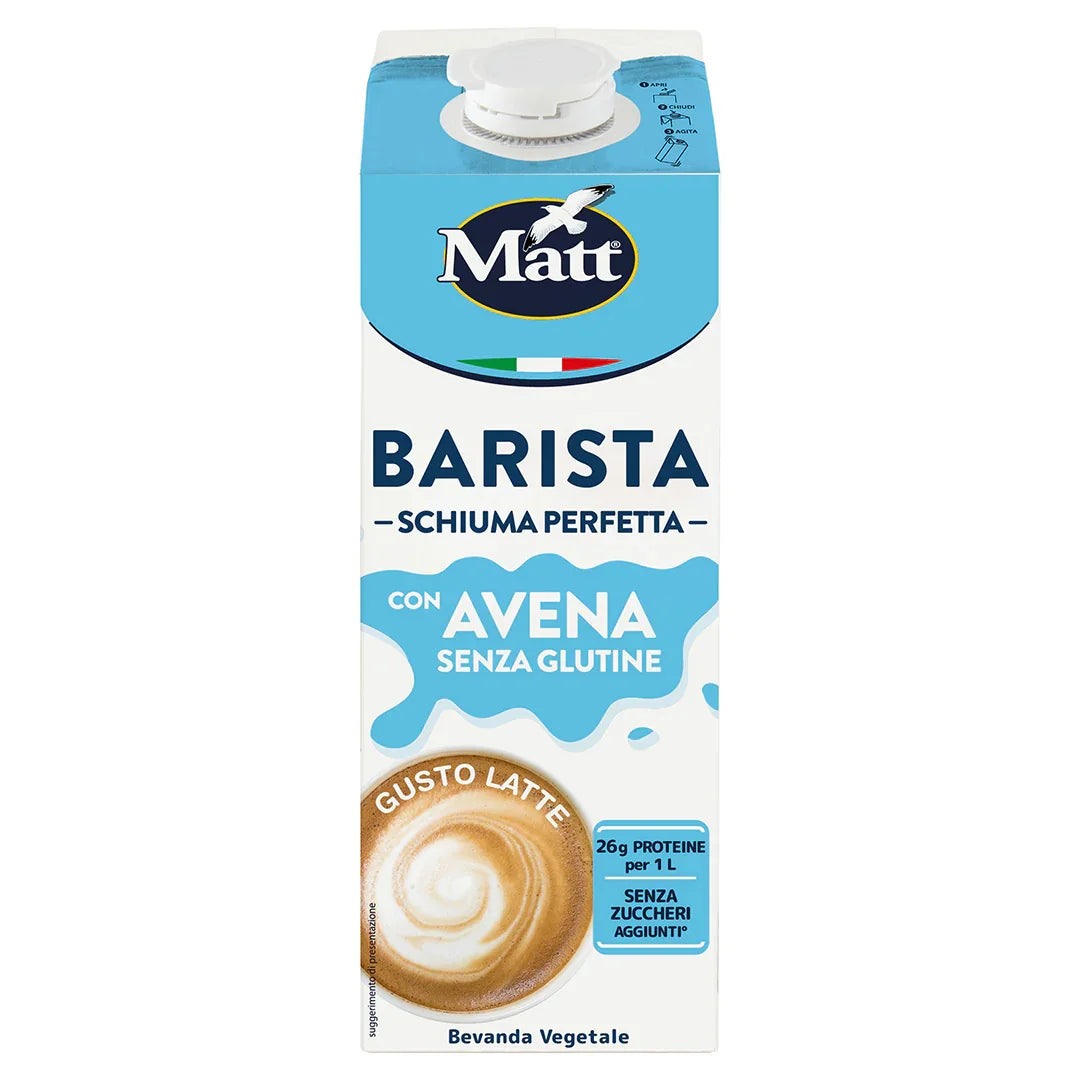
At Matt , we know that eating gluten-free doesn't have to mean sacrificing taste or convenience. Our Gluten-Free line is designed to offer safe alternatives, formulated with select ingredients and produced in facilities protected from cross-contamination.
Many of our gluten-free products are also formulated to be a source of fiber or low in fat. Additionally, we support our consumers' well-being with specific supplements for healthy gut flora and essential micronutrients.
Practical Tips for Daily Management
- Beware of cross-contamination: when cooking, use separate or thoroughly washed utensils. Do not use the same toaster for regular bread and gluten-free bread.
- Variety: Don't limit yourself to rice or corn; experiment with buckwheat or quinoa to vary your amino acid and mineral intake.
- Professional advice: Before eliminating gluten due to suspected sensitivity, it is essential to consult a doctor to rule out celiac disease, as diet can distort diagnostic tests.