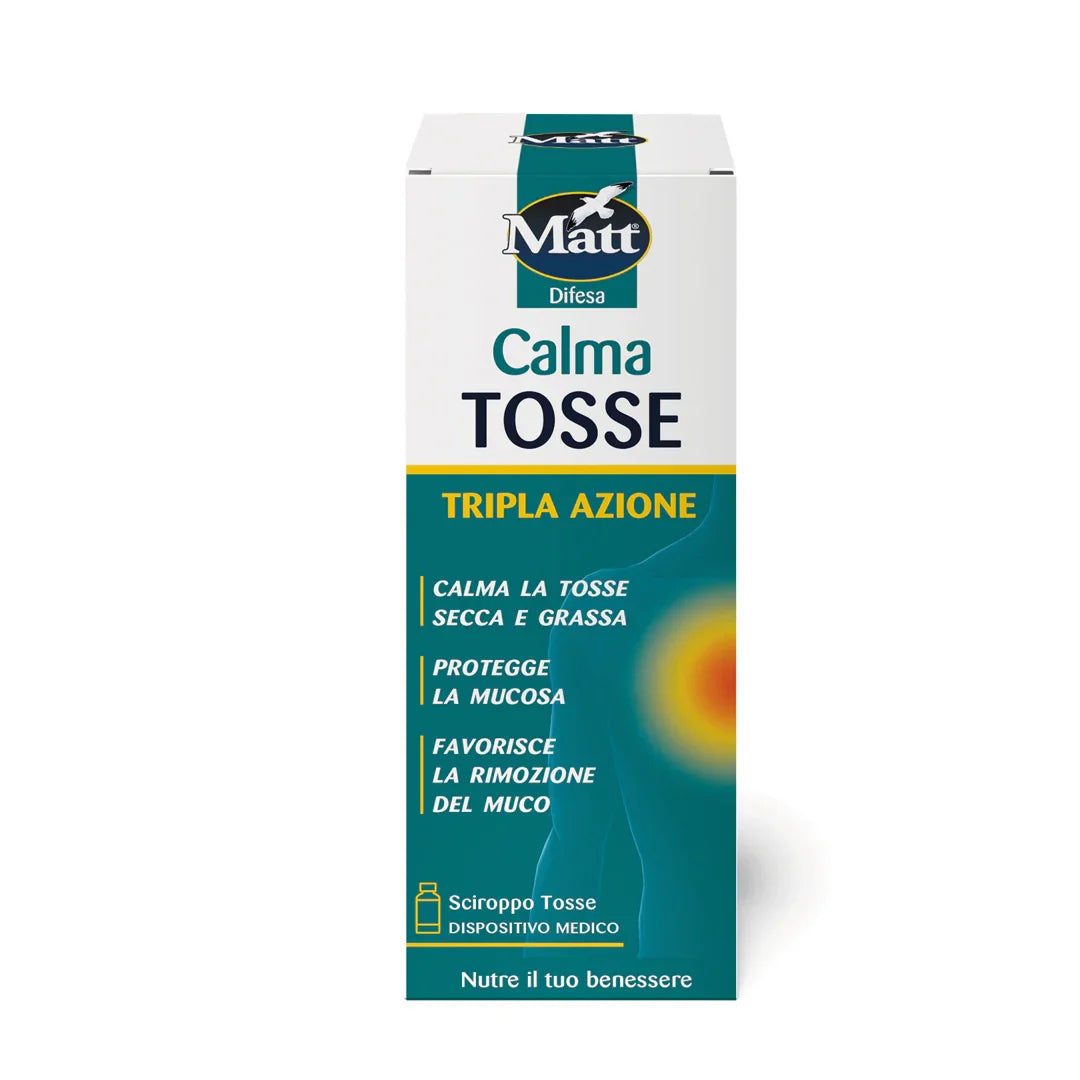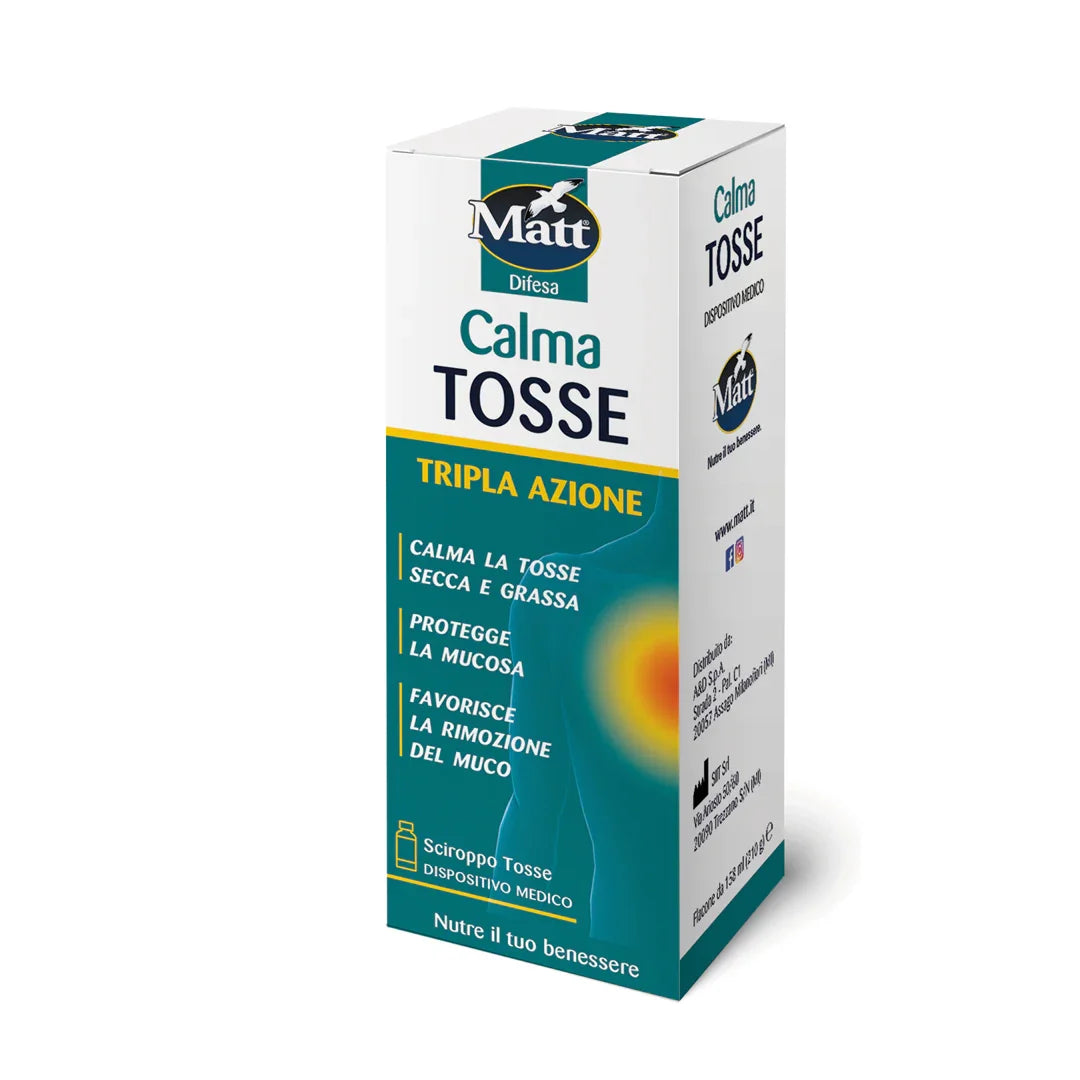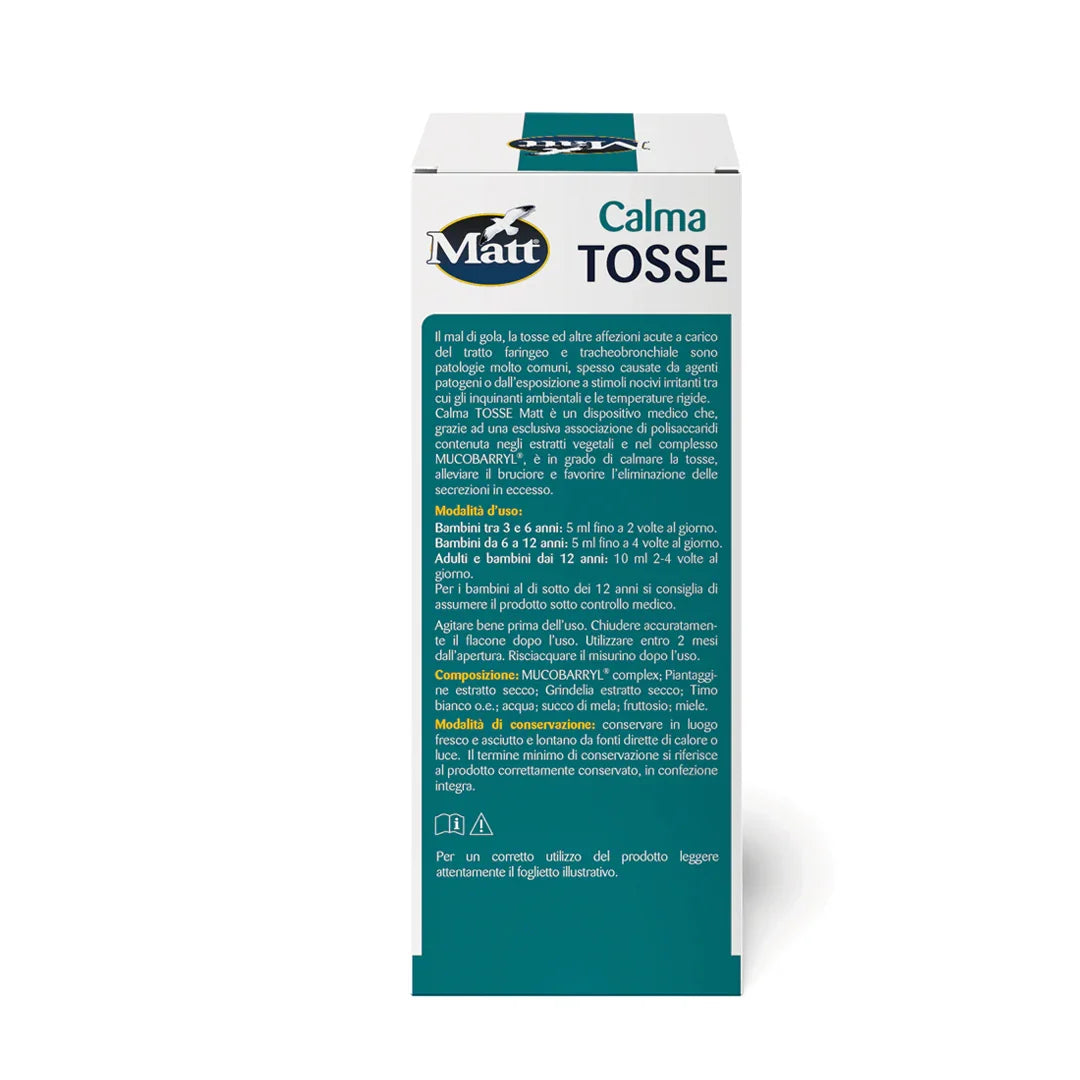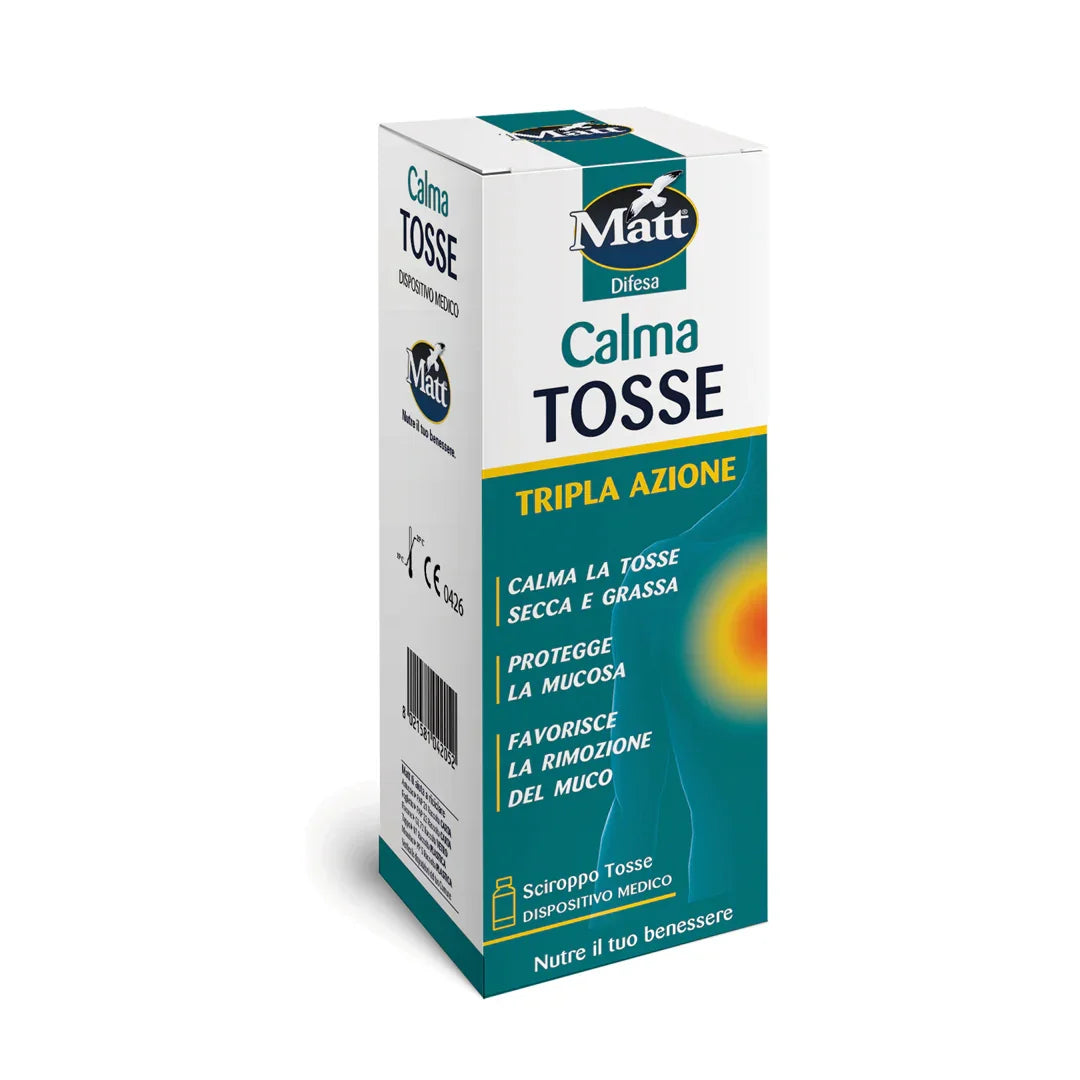



Coughing is a natural and vital reflex in our body, a defense mechanism that helps clear the airways of irritants, foreign bodies, or excess mucus. Although it's beneficial for our health, when persistent or painful, it can disrupt sleep and daily life. For this reason, cough syrup is one of the most common and sought-after remedies, especially during the colder months.
Choosing the right syrup , however, isn't always straightforward, as not all coughs are the same. In this guide, we'll shed light on the different types of coughs and how syrups work to provide relief , focusing on soothing and protective solutions.
Identifying a Cough: Dry vs. Chesty
The first step to finding an effective cough syrup is to identify the type of cough you are experiencing:
1. Dry Cough
- Characteristics: It is an irritating, dry cough without sputum (mucus). It is often caused by irritation of the mucous membranes due to a cold, irritants (smoke, pollution), or throat inflammation.
- Purpose of the Syrup: The primary goal is to calm the cough reflex and soothe irritation of the mucous membranes. Dry cough syrups often contain substances that create a protective film.
2. Chesty cough
- Characteristics: It's a cough accompanied by the production of mucus or phlegm. It's the body's mechanism for clearing mucus from the airways.
- Purpose of the Syrup: syrups for chesty coughs aim to make the mucus less dense ( thinning action) and facilitate its expulsion ( expectorant action ).
The Function of Syrup
Soothing and Protective Action
The most modern principle of cough syrups, especially for dry coughs, is the ability to create a protective barrier on irritated mucous membranes.
-
Barrier effect: highly viscous and mucoadhesive substances on irritated mucosa.
Fluidifying Action
For a chesty cough, cough syrup should help the body work better.
- Fluidification: Some active ingredients work to make mucus less thick and easier to expel.
Pay Attention to Ingredients: The Informed Choice
When choosing a cough syrup , it is essential to read the label to understand which active ingredient is predominant, especially to avoid inappropriate combinations.
Natural and Phytotherapeutic Ingredients
Phytotherapy offers many effective and well-tolerated active ingredients that act primarily with a barrier and soothing effect:
- Marshmallow: improves the functionality of the respiratory mucosa and the well-being of the throat.
- Mallow: promotes the fluidity of bronchial secretions.
-
Grindelia: used for its soothing and emollient action, it can help the functionality of the upper respiratory tract.
- Plantain: used for its emollient and soothing action on the oropharyngeal mucosa, it supports the tone of the voice and the functionality of the upper respiratory tract.
Tips for Effective Use of Cough Syrup
- Don't Suppress a Chesty Cough: Avoid cough suppressants when you have a chesty cough, otherwise you risk blocking the expulsion of mucus, worsening the congestion.
- Hydration: Drinking plenty of fluids helps thin the mucus, supporting the fluidifying action of the syrup.
- Timing: Sedatives (for dry coughs) are often helpful before bed to ensure rest. Expectorants (for chesty coughs) should be avoided shortly before bedtime.
Frequently Asked Questions (FAQ)
1. Can cough syrup cure a cold ? No. Cough syrup treats the symptom (the cough), but does not cure the underlying cause (the viral or bacterial infection that causes the cold).
2. Can I use the same syrup for both dry and wet coughs? It depends on the formulation. Cough syrups that work by creating a protective and soothing film can be used for both, as they soothe the irritation of a dry cough and moisturize secretions for a wet cough.
5. Can children take adult cough syrups? No. Many cough syrups have age-specific dosages and warnings and are not suitable for young children. It is essential to use only pediatric formulations or consult a pediatrician before use.