





Fissures are small but extremely painful cracks or cuts that form on the skin, typically around the knuckles, fingertips, and in the spaces between the fingers.
Their appearance is closely linked to the compromised hydrolipidic barrier of the skin, making the topic particularly relevant during the cold months or for those who carry out jobs that expose the hands to continuous stress.
Anatomy of a Fissure: When the Barrier Breaks
Our skin is protected by a hydrolipidic film. When this protective layer loses its integrity and elasticity, the skin becomes dry, stiff, and fragile.
A fissure is essentially a deep, linear crack that extends through the epidermis, often causing pain, bleeding, and, in severe cases, inflammation. Unlike a simple superficial crack, a fissure is an open lesion.
Primary Causes of Fissures in the Hands
The formation of fissures in the hands is almost always multifactorial. Recognizing the cause is the first step to effective treatment.
1. Environmental Exposure and Climatic Factors
- Cold and Wind: The cold, dry air typical of winter reduces skin moisture, causing accelerated evaporation of water from the skin. The skin, dehydrated and less elastic, breaks easily with movement.
- Temperature Changes: Rapidly moving from the cold outside to the dry heat of indoors exacerbates dehydration.
2. Chemical and Irritative Factors
- Harsh Detergents: Frequent hand washing, especially with degreasing soaps (surfactants), eliminates the natural hydrolipidic film, exposing the deeper layers of the epidermis.
- Chemicals: Exposure to solvents, household cleaners, or industrial chemicals without adequate protection.
3. Pre-existing Skin Conditions
People with skin conditions such as atopic dermatitis , eczema , or psoriasis are more prone to developing cracked hands due to their already compromised skin barrier. Certain systemic conditions can also make the skin more vulnerable.
Treatment and Repair Strategies for Fissures
The treatment of hand cracks is based on two pillars: immediate repair of the cracks and restoration of the skin barrier .
Phase 1: Repair and Protection (Intensive Treatment)
The immediate goal is to seal the fissure to relieve pain and prevent bacteria from entering.
- Act Locally: use creams specifically formulated for cracks, which often contain film-forming substances that create a protective barrier effect on the lesion, promoting the healing process.
Phase 2: Reconstruction of the Skin Barrier
Once a fissure begins to close, it's crucial to prevent new ones from forming. This is where emollient active ingredients come into play.
- Vegetable Butters and Oils: Smoothing ingredients nourish and repair chapped skin, helping maintain its protective barrier.
- Ceramides: necessary to improve the elasticity and natural hydration of the skin.
Prevention: The Fundamental Step to Healthy Hands
The best cure for cracked hands is prevention, especially during the winter.
1. Physical Protection
- Protective Gloves: Wearing gloves (wool or thermal) when going out in the cold or wind is your first line of defense. It's equally important to use rubber or vinyl gloves when handling detergents, washing dishes, or performing wet tasks.
- Thorough Drying: After washing, dry your hands thoroughly, paying particular attention to the spaces between your fingers.
2. Constant Hydration and Nutrition
- Frequent Moisturizer: Apply hand cream after every wash. Creams should be rich in repairing ingredients.
- Night Treatment: Apply a generous layer of emollient and repairing cream before bed. This intensive night treatment allows the active ingredients to penetrate and repair the skin deeply.
An Essential Ally for Damaged Skin
To effectively address the problem of cracked hands , choosing the right product is crucial. You need a product that combines intensive repair with long-term protection of the skin barrier.
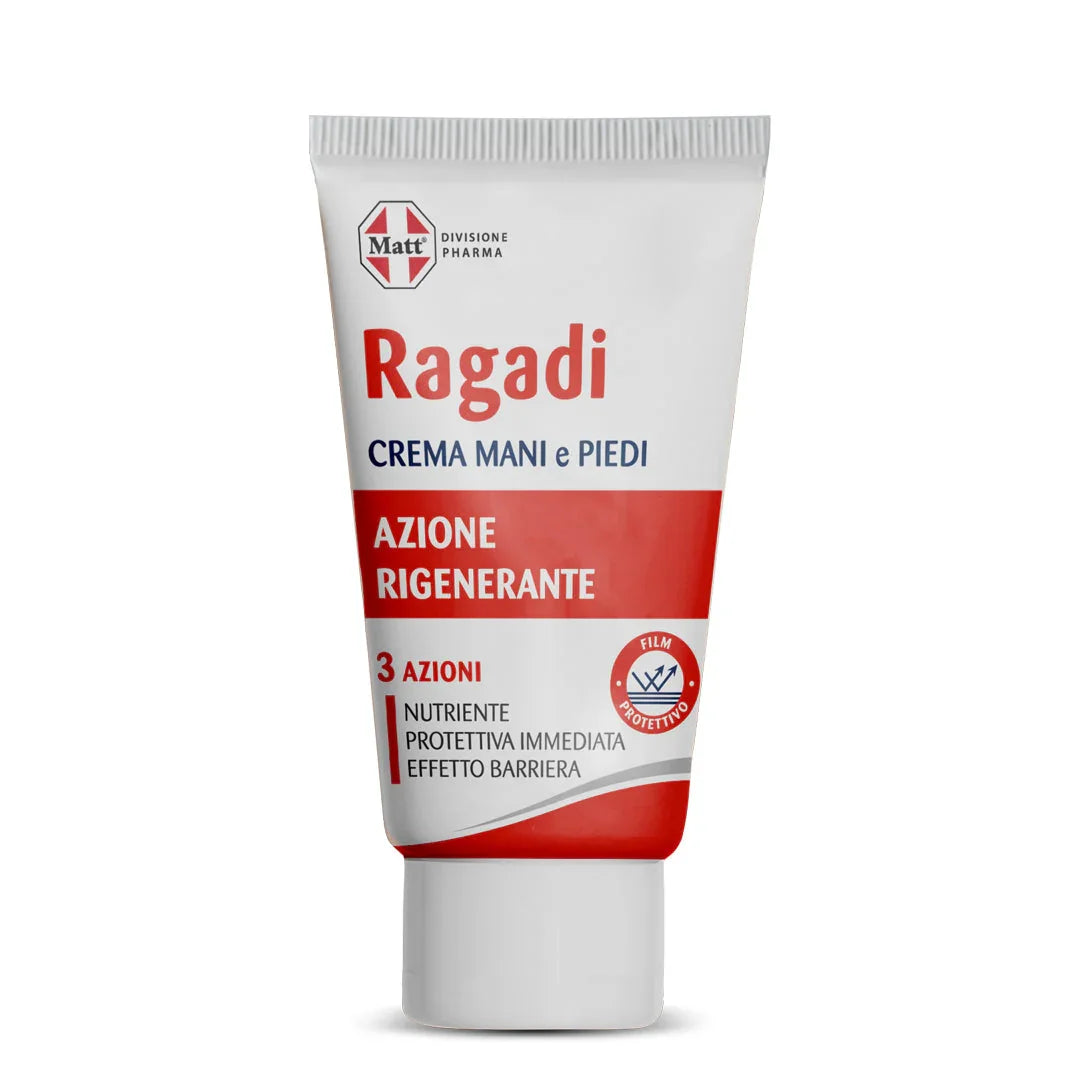
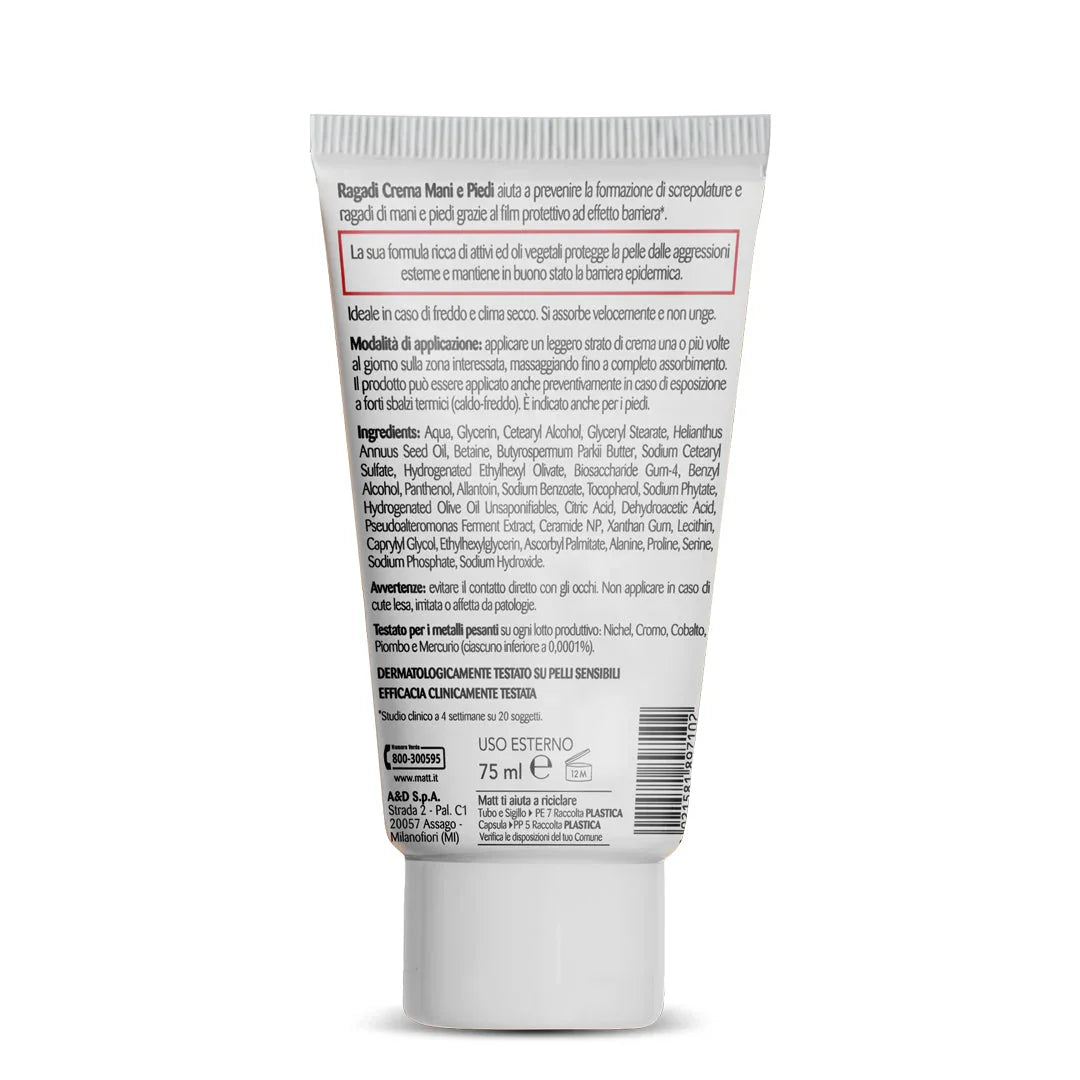
Specific formulations are designed to offer a concentrated emollient action and effective protection. For example, to soothe, soften, and help restore the integrity of cracked skin on hands and feet, an intensive treatment with a high concentration of film-forming active ingredients is ideal, such as Matt Divisione Pharma 's specific cream for cracked skin, Hand and Foot Cream , which works by protecting the damaged area and promoting the restoration of skin elasticity.
Frequently Asked Questions (FAQ)
1. What's the difference between cracked hands and chapped hands? Chapped hands are characterized by dryness, roughness, and small superficial cracks (only in the epidermis). Cracked hands are much deeper and more painful linear fissures that can bleed and require intensive, targeted treatment to repair.
2. Are cracked hands contagious? No , cracked hands are not contagious. They are non-infectious skin lesions caused by dryness, loss of skin elasticity, and mechanical or chemical damage to the skin barrier. However, an open crack can become a gateway for bacteria and infections.
4. Can I use a generic body cream to treat cracked hands? A generic body cream can help maintain hydration, but it's less effective. Cracked hands require specific products (like Matt Ragadi Hand and Foot Cream ) with a high concentration of repairing active ingredients and a targeted action to soften the edges of the cracks and allow them to heal.
5. How long does it take for a fissure to heal? The healing time for a fissure varies depending on its depth and the consistency of treatment. Superficial fissures can heal in a few days with the use of healing creams. Deep and chronic fissures can take several weeks. It is essential to keep the area constantly protected and moisturized, especially with creams that protect and restore elasticity.