















Sleep isn't just a moment of rest, but a complex biological process essential to an individual's overall well-being. Among the factors that regulate the sleep-wake cycle is melatonin, a hormone naturally produced by our body.
In this guide, we will analyze melatonin supplements in detail, understanding when they are necessary and how to choose the formulation best suited to your physiological needs.
The Dark Hormone: The Biology of Melatonin
Melatonin is secreted by the pineal gland, located in the brain, following a rhythm governed by light. During the day, its production decreases due to light, while at sunset it increases, helping the body prepare for sleep.
What Are Melatonin Supplements Used For?
Consolidated scientific evidence and European guidelines recognize two main functions of melatonin that justify its supplementation:
1. Reduction in time required to fall asleep
Many people suffer from so-called "initial insomnia," or difficulty falling asleep once in bed.
2. Jet Lag and Shift Management
For those traveling across time zones or working shifts, the internal biological clock clashes with the external environment. Melatonin supplementation helps alleviate the effects of jet lag.
Different Needs: Falling Asleep vs. Maintaining Sleep
Not all sleep disorders are the same. Some struggle to close their eyes, others wake up in the middle of the night unable to get back to sleep. Nutraceutical research has responded to these differences by developing different delivery technologies.
Melatonin for Daily Rhythm
For those seeking support in reducing the time it takes to fall asleep, using melatonin tablets is the most straightforward solution. The beneficial effect is obtained by taking 1 mg of melatonin shortly before bedtime.
Retard Technology and Phytotherapeutic Synergies
Fatigue and stress caused by a hectic lifestyle can lead to insufficient sleep quality and quantity. For this reason, there are exclusive formulations, like Melatonin Retard Valeriana Fast which uses a dual action approach:
-
Fast Phase: Valerian is released quickly, promoting rapid relaxation that helps you have a restful sleep.
- Retard Phase: allows, with a single administration, the gradual release of Melatonin during the hours following intake.
Innovation in the Forms of Intake: Gummies
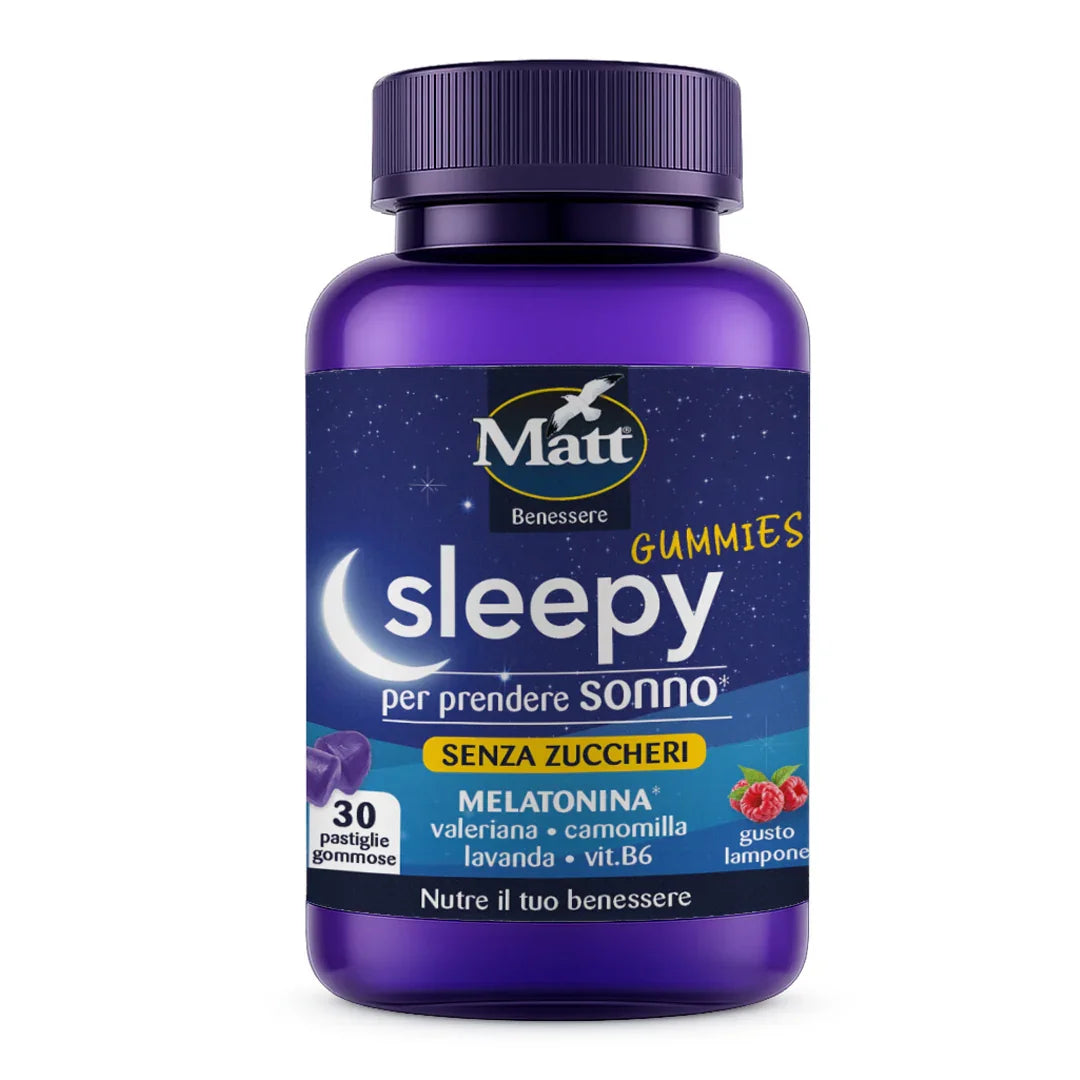
Many people find it unpleasant to swallow pills before bed. The introduction of formats like Sleepy Gummies has revolutionized the approach to supplementation. These gummies, often enriched with botanical extracts, transform supplementation into a small, relaxing ritual, maintaining the effectiveness of the 1 mg dose of melatonin needed for sleep.
Tips for Effective Integration
To maximize the benefits of melatonin supplements , it is essential to follow some good practices
- Timing: Take the supplement about 30 minutes before going to bed.
- Blue Light: Avoid screens (smartphones, PCs, TVs) after taking the supplement. The blue light emitted by these devices blocks melatonin production and can counteract the supplement's effect.
- Environment: Make sure your bedroom is completely dark and cool.
Matt's Commitment to Quality Sleep
At Matt , we select the highest-quality raw materials to ensure that each tablet or gummy contains the exact dosage of melatonin. Our formulations are designed to meet the diverse needs of modern life, combining herbal tradition with the most advanced pharmaceutical nutrient delivery technologies. We believe that well-being comes from a natural balance, and melatonin is the ideal tool for realigning our bodies with nature's primordial rhythms.
FAQ - Frequently Asked Questions About Melatonin Supplements
1. How much melatonin should I take? Reducing the time it takes to fall asleep is achieved by taking 1 mg of melatonin shortly before bedtime. To alleviate the effects of jet lag , the beneficial effect is achieved by taking a minimum of 0.5 mg of melatonin shortly before bedtime on the first day of travel and for a few days after arriving at your destination.
2. Can I take melatonin if I wake up at 3 a.m.? If you wake up at night, taking immediate-release melatonin may cause drowsiness in the morning. In these situations, it's best to prevent this problem by using a delayed-release formula the night before, which lasts the entire night.