

Iron is an essential mineral, a micronutrient our body requires to perform vital functions. Despite its importance, iron deficiency is one of the most common nutritional deficiencies globally, particularly among adolescents, women of childbearing age, and pregnant and breastfeeding women.
Understanding the role of iron , the signs of iron deficiency, and how to choose the most effective iron supplement is crucial to maintaining optimal well-being.
The Vital Role of Iron in the Body
Iron is not simply a mineral; it is a fundamental component involved in numerous complex biological processes. Its main role is in oxygen transport and energy metabolism .
Key Functions of Iron:
- Oxygen Transport: Iron is at the heart of hemoglobin , the protein in red blood cells that captures oxygen in the lungs and distributes it to all tissues and organs in the body. It is also essential in myoglobin , which binds oxygen in muscles.
- Energy Production: Iron contributes to the reduction of tiredness and fatigue .
- Cognitive Function: Maintaining normal cognitive function is crucial.
- Immune System: Iron supports the normal function of the immune system .
Recognizing the Symptoms of Iron Deficiency (Sideropenia)
Iron deficiency, or sideropenia, may be asymptomatic in the initial stages but, if left untreated, can progress to iron deficiency anemia . Symptoms are often subtle and tend to gradually worsen.
The Most Common Signs:
-
Constanttiredness and fatigue: this is the most common symptom, due to the reduced capacity of the blood to transport oxygen to the muscles. - Pale Skin: Caused by low hemoglobin concentration.
- Cognitive Problems: Emotional, social, and cognitive disorders in children and adolescents.
If you suspect an iron deficiency, it is essential to consult your doctor and undergo specific blood tests for an accurate diagnosis before starting any iron supplement .
Optimizing Absorption: The Challenge of Dietary and Supplemental Iron
Iron in foods comes in two main forms:
- Heme iron: found in foods of animal origin (red meat), it is easily absorbed.
- Non-heme iron: found in plant foods (legumes, green leafy vegetables, cereals), has a much lower and variable absorption rate.
The Crucial Role of Vitamin C
This is where smart supplementation comes in. Vitamin C (ascorbic acid) is the most important cofactor for the absorption of non-heme iron. Vitamin C works by reducing iron from a ferric state, which is less absorbable, to a ferrous state, which is more easily absorbed by the body.
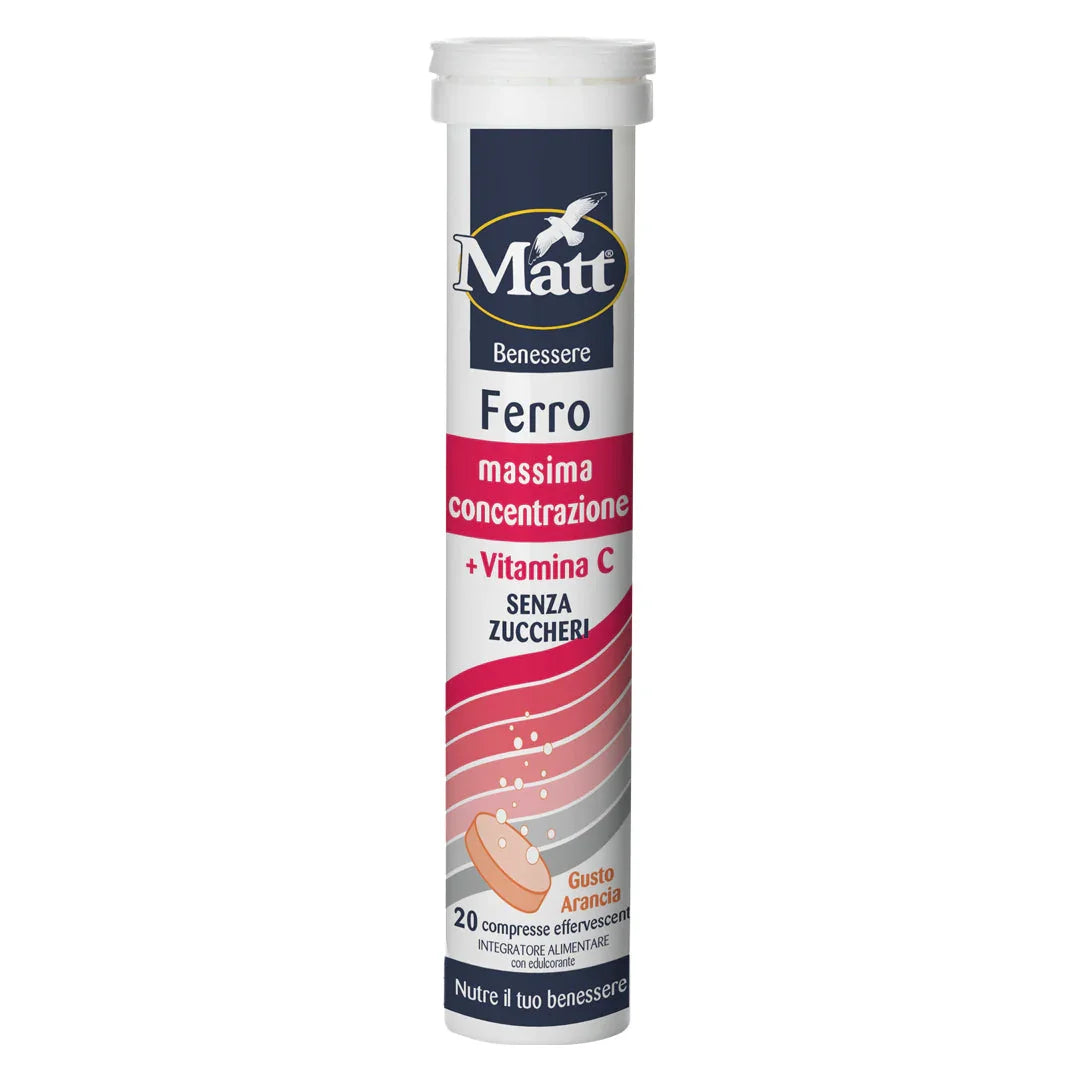
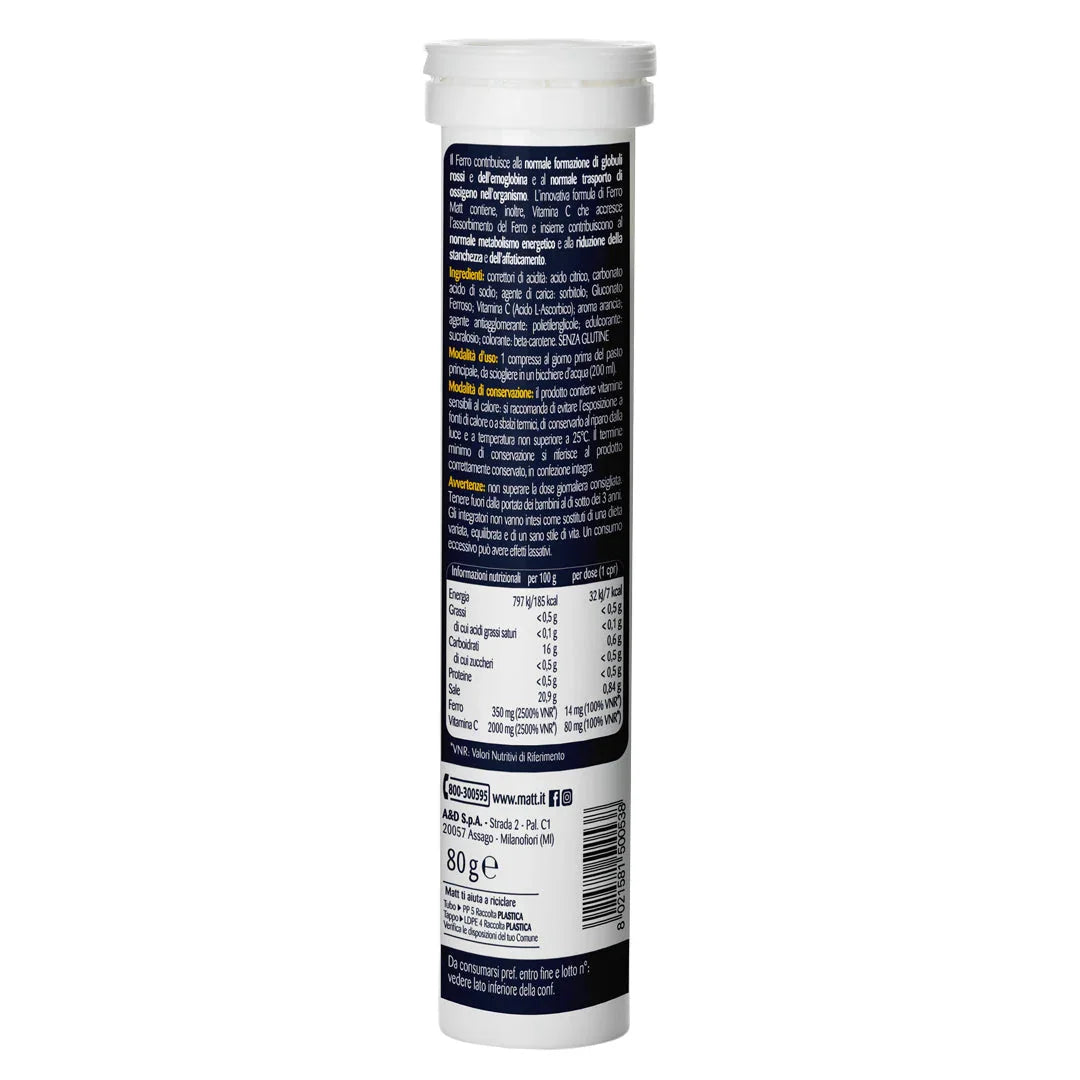
For this reason, the most effective iron supplements are often formulated to include this synergy. A combined approach is the one adopted by Matt Iron with Vitamin C , designed to provide the mineral with its absorption cofactor. The iron in this formula contributes to the normal formation of red blood cells and hemoglobin and to normal oxygen transport in the body. Vitamin C increases iron absorption and together they contribute to normal energy-yielding metabolism and the reduction of tiredness and fatigue.
Choosing the Right Iron Supplement: Forms and Bioavailability
Not all iron supplements are created equal. Bioavailability, or the amount of mineral actually absorbed and utilized by the body, depends on the chemical form of iron. The main forms are:
- Ferrous Salts (e.g. Ferrous Sulfate): These are among the most common, but can cause more gastrointestinal side effects (such as constipation or nausea).
- Ferric Salts (e.g. Ferric Citrate): Must be reduced to ferrous salt in the stomach and small intestine before being absorbed.
-
Chelated Iron (e.g., Ferrous Bisglycinate): Iron is bound to organic molecules (amino acids). This form is generally considered
the mostbioavailable and, more importantly, is better tolerated by the gastrointestinal tract, reducing side effects.
When evaluating an iron supplement , it is crucial to read the label and choose highly tolerable forms to ensure consistent intake.
The Synergy of Micronutrients
In addition to Vitamin C, a good iron supplement may contain other essential micronutrients:
-
Folate: contributes to normal haematopoiesis and to the reduction of tiredness and fatigue.
-
Vitamin B2 and A: contribute to normal iron metabolism in the body
-
Copper: contributes to the normal transport of iron in the body.
Matt's product, like the Iron with Vitamin C supplement , offers a balanced combination that takes these synergies into account. Supplementing with iron and vitamin C supports the body in times of increased needs or reduced intake.
Dietary Regimens and Increased Needs
There are categories of people who, for physiological reasons or dietary choices, have a particularly high iron requirement or are at risk of deficiency:
- Women of childbearing age: due to blood loss caused by the menstrual cycle.
- Pregnancy: Needs increase dramatically to support fetal growth.
- Vegetarians and Vegans: Although it is possible to obtain iron from plant sources (non-heme iron), absorption is lower and requires greater care when combining it with Vitamin C.
Final Considerations on Safety and Efficacy
While iron supplementation is beneficial for those with a deficiency, it's important to note that excess iron can be toxic. Early symptoms include fatigue and joint pain. For this reason, do-it-yourself supplementation is not recommended.
Always consult your doctor for:
- Diagnosis: Make sure that the tiredness is actually due to iron deficiency and not to other pathologies.
- Dosage: Establish the dosage and duration of supplementation based on your blood levels (ferritin).
Responsible use of iron supplements , following medical advice and choosing high-quality products that maximize absorption and tolerability (such as formulations that include Vitamin C ), is the best path to regaining energy and supporting your health.
Frequently Asked Questions (FAQ)
1. What foods should I eat to improve iron absorption?
To improve the absorption of iron from plant sources (non-heme iron), it is recommended to combine it with foods rich in vitamin C (citrus fruits, kiwi, peppers, strawberries). Avoid consuming tea, coffee, or dairy products while taking iron-rich foods or iron supplements, as they can inhibit absorption.
2. Is iron deficiency common among vegetarians?
Although it is possible to obtain iron from plant sources, the non-heme form (iron) is less absorbable. Therefore, vegetarians and vegans should pay particular attention to combining it with vitamin C and consider using an iron supplement to ensure adequate intake.
3. Does iron supplements always cause constipation and nausea?
No. Many gastrointestinal discomforts (constipation, nausea, heartburn) are associated with ferrous salts (ferrous sulfate). Some formulations, such as those based on chelated iron, are designed to be much gentler on the digestive tract and minimize these side effects.