





Proteins are the fundamental "building blocks" of our body. Proteins contribute to the growth and maintenance of muscle mass. Correctly identifying protein-rich foods and knowing how to integrate them into a varied diet is the first step towards optimal metabolic health.
The Biological Function of Proteins
Our body is in a constant state of "protein turnover," a continuous cycle of breaking down and rebuilding cellular proteins. To maintain this balance, a constant intake of amino acids is necessary, particularly the nine essential amino acids that the body cannot produce on its own.
The adequacy of protein intake should not only be measured in total grams but also in the quality of the amino acid profile and bioavailability.
Protein-Rich Foods: animal vs. plant sources
1. Animal-Derived Proteins
Meat, fish, eggs, and dairy products are considered high biological value proteins. They contain all essential amino acids in the right proportions.
- Eggs: often used as the "gold standard" for protein quality.
- White Meat and Fish: excellent lean sources that limit saturated fat intake.
2. Plant-Derived Proteins
Legumes, whole grains, and nuts are pillars of the Mediterranean diet. Although some sources may lack one or more essential amino acids (such as lysine in cereals or methionine in legumes), their combination throughout the day ensures a complete profile.
The Evolution of Diet: protein foods
In a busy life, meeting daily protein requirements exclusively through traditional foods can require careful planning. For this reason, it is useful to know practical strategies to integrate proteins in a simple and balanced way.
Breakfast and Snack Alternatives
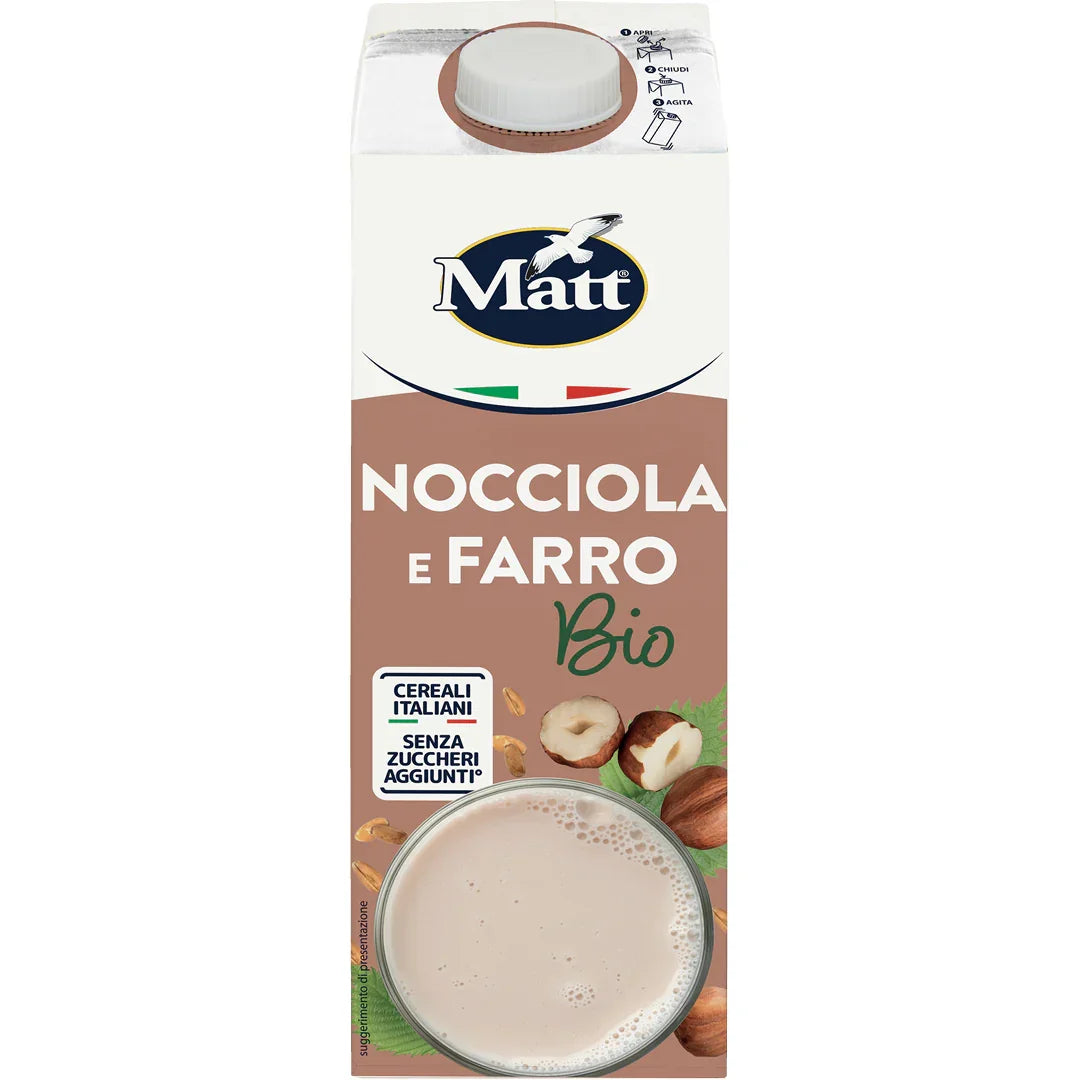
One of the main challenges is incorporating proteins into meals traditionally skewed towards carbohydrates. Specific plant-based drinks can fill this gap. For example, nut-based products like Almond Protein offer a valid alternative to cow's milk for those following a vegan diet or who are lactose intolerant, providing a higher protein content compared to classic almond drinks, thanks to the presence of soy proteins.
Bread and Baked Goods Substitutes
Bread is often seen as a "taboo" in high-protein diets. However, today there are options like Protein Bread, which uses mixtures of plant proteins (such as pea or wheat).
Snacks and Meal Breakers
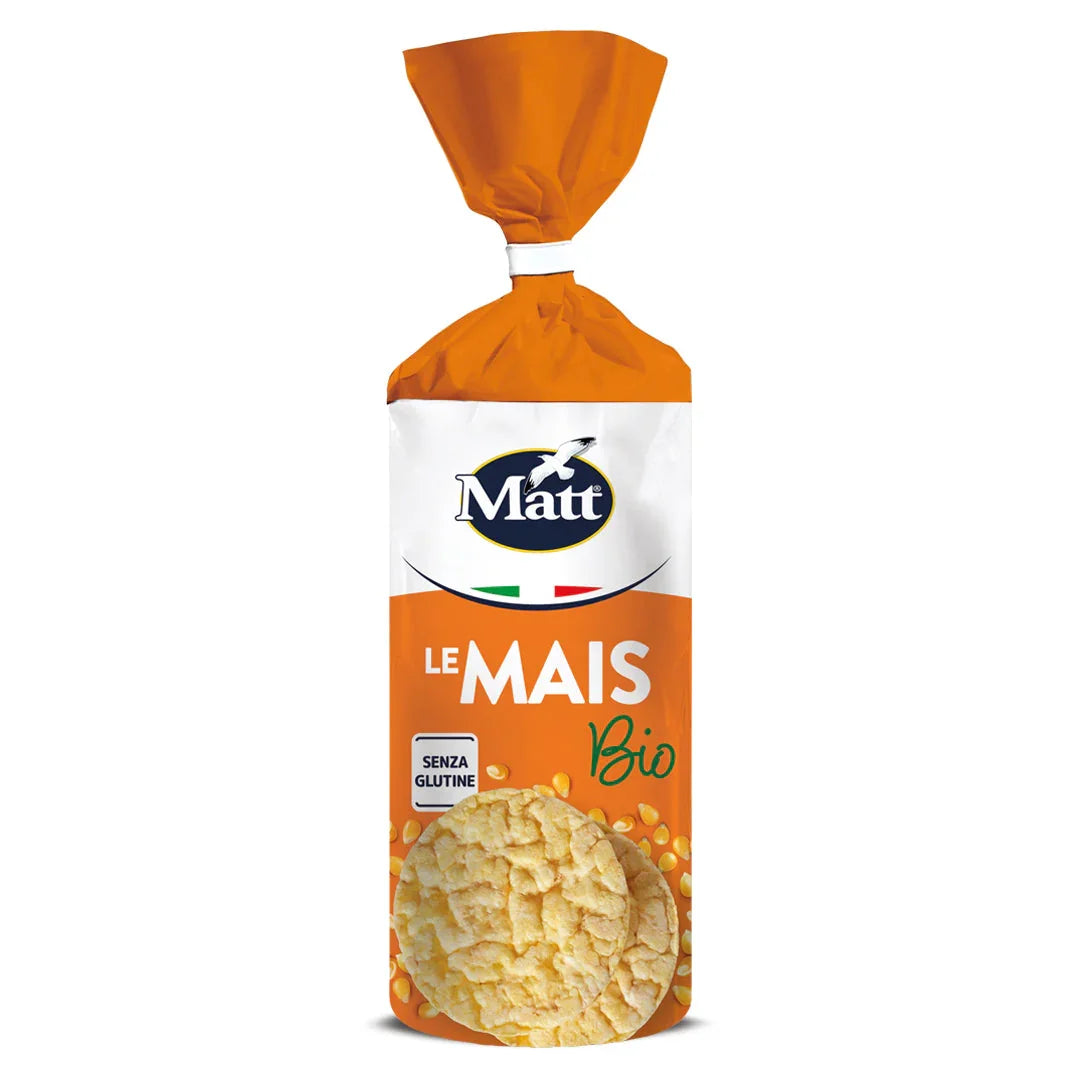
Even snacks can become an opportunity for integration. Products like Le Mais Protein, crunchy snacks enriched with plant proteins (lentil flour), contribute to meeting daily requirements.
How Much Protein Do You Need? Science and Nutritional Standards
According to the LARN (Reference Intake Levels of Nutrients and Energy for the Italian population) developed by the Italian Society of Human Nutrition (SINU), the average protein requirement for an adult is 0.71 grams per kilogram of body weight per day. To meet the needs of almost all healthy individuals, the recommended reference value for the population (PRI) is set at 0.9 grams per kilogram of body weight per day.
However, these needs vary significantly:
- Athletes: protein requirements must be modulated according to the type, duration, and intensity of training.
- Elderly: Often need higher amounts (1.1 grams per kilogram of body weight per day).
- Pregnancy and lactation: protein requirements increase compared to adulthood to support fetal growth and breast milk production.
Quality and Transparency in Nutritional Labels
When evaluating protein-rich foods, it is essential to read labels carefully. In accordance with European consumer information regulations:
- "Source of protein": the product must contain at least 12% of the total energy value derived from protein.
- "High in protein": at least 20% of the energy must be from protein.
At Matt, we are committed to providing clear labels, ensuring that every protein product meets high safety and efficacy standards, avoiding superfluous ingredients.
Conclusion: Balancing Taste and Functionality
Integrating protein-rich foods does not mean sacrificing the pleasure of eating or adopting monotonous diets. The key lies in variety: alternating lean animal sources with plant proteins and using innovative functional foods to optimize critical times of the day, such as breakfast or snacks. Smart nutrition is the foundation for a strong body, a resilient immune system, and effective weight management.