




Zinc is an essential trace element. It's the second most abundant trace mineral in the body after iron and is present in every single cell. But what exactly is zinc good for?
Its importance stems from the fact that it acts as a structural component or cofactor for over 200 enzymes involved in biological systems. It is crucial for the stability of cell membranes and for protecting cellular components from oxidative damage.
The Properties of Zinc
1. Immune System Support
Zinc contributes to the normal function of the immune system. It intervenes in the activity of T lymphocytes.
2. DNA Synthesis and Cell Division
Zinc is essential for cell growth. It is a component of so-called zinc-finger proteins, which interact with DNA to regulate gene expression. This role makes it essential during periods of rapid growth, such as childhood, adolescence, and wound healing.
3. Skin, Hair and Nail Health
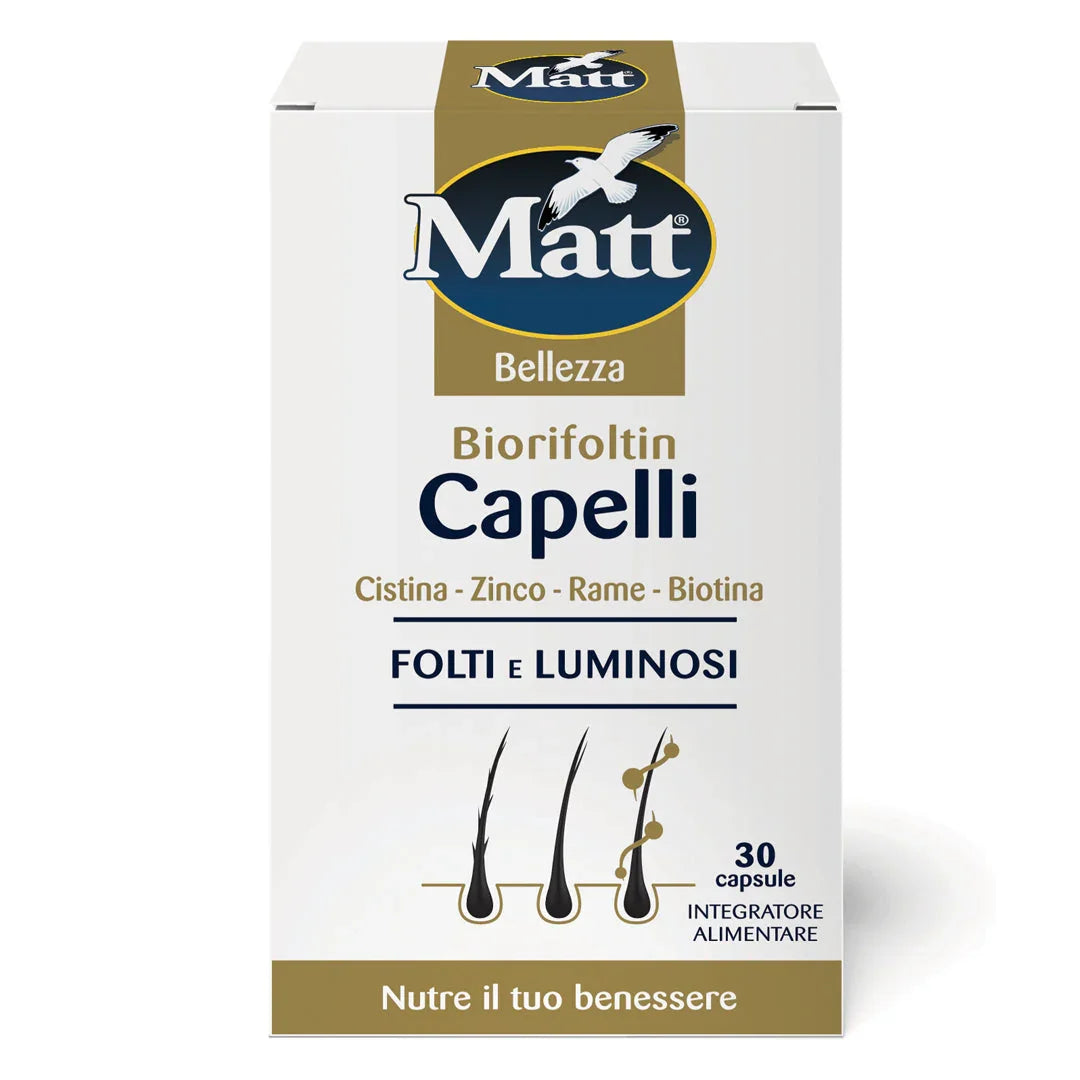
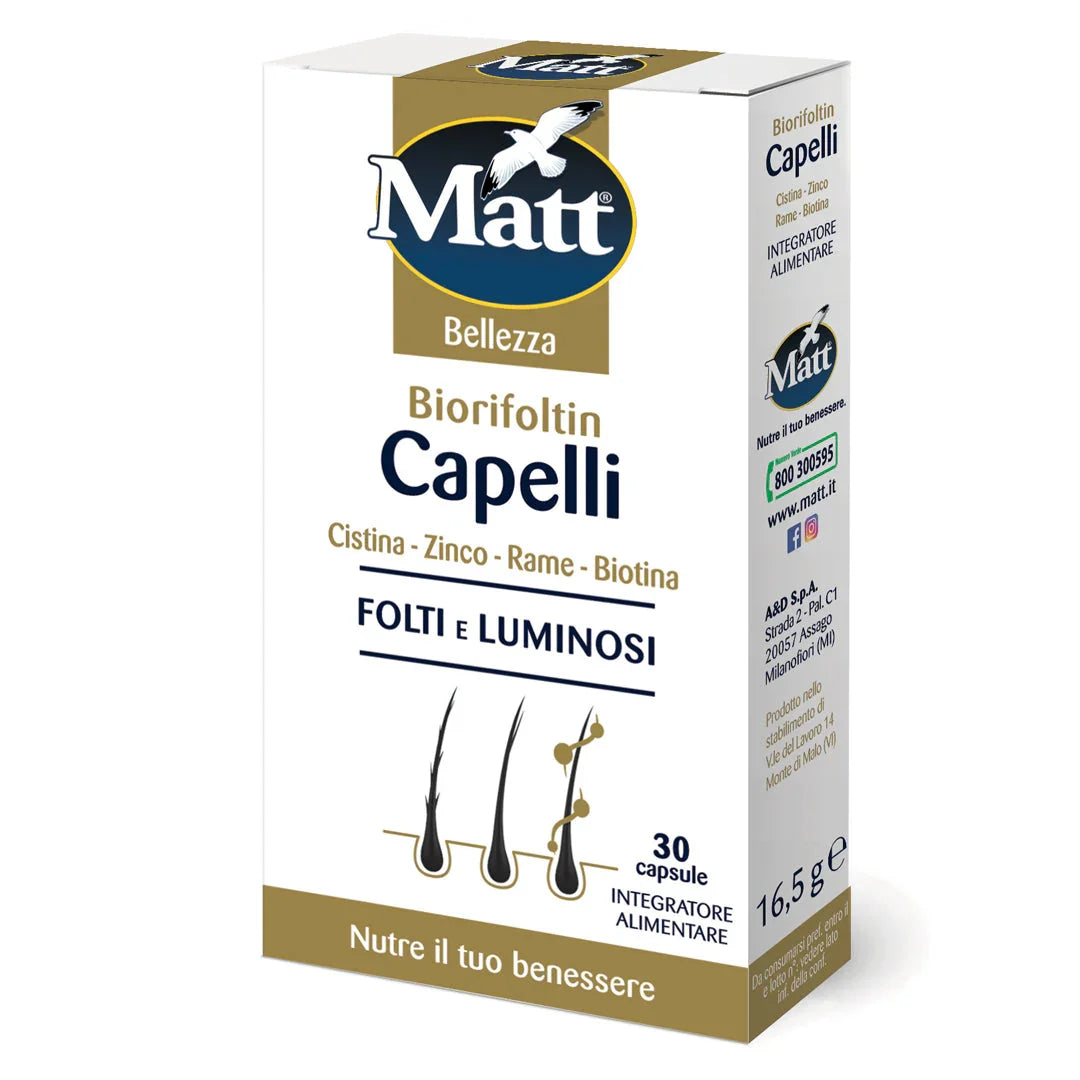
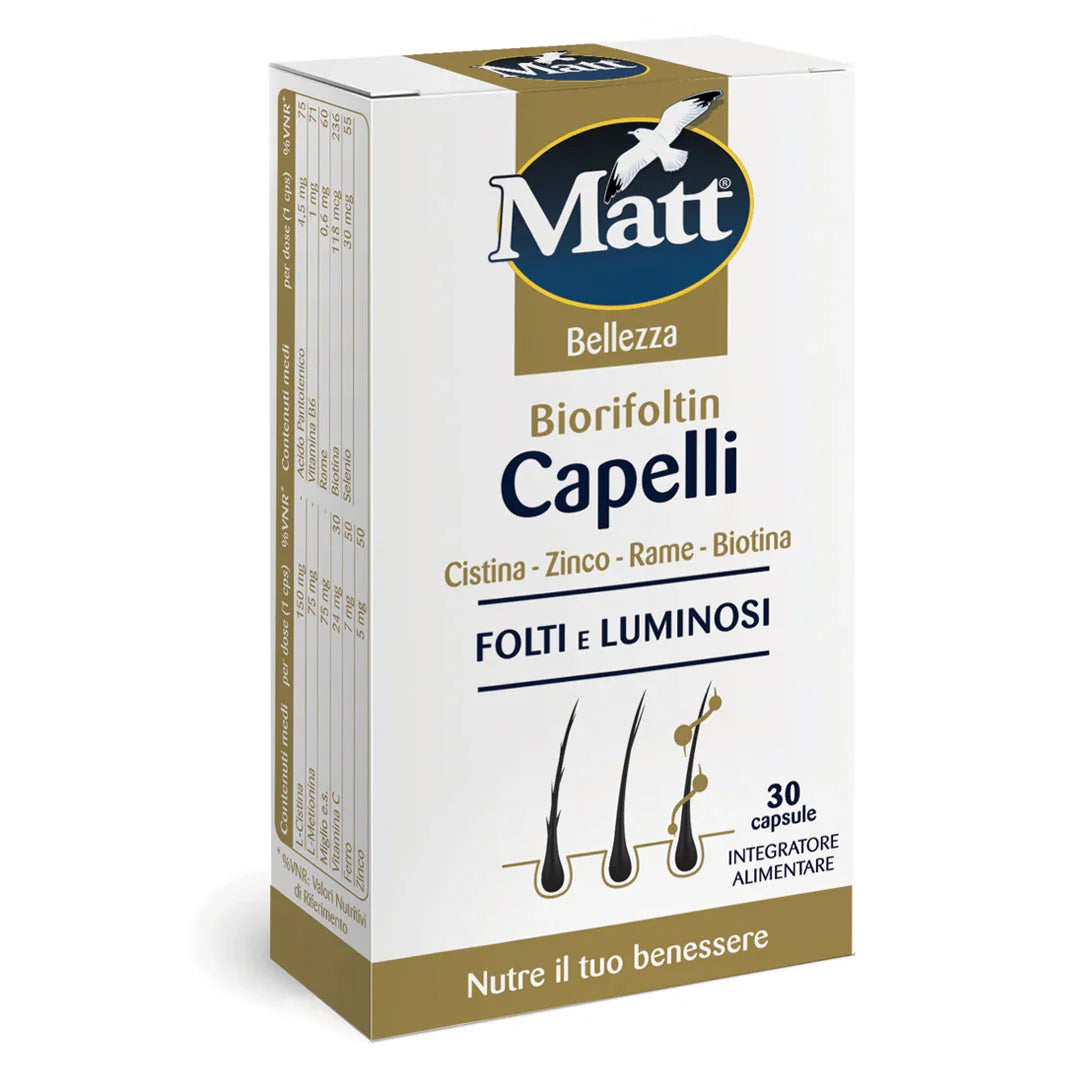
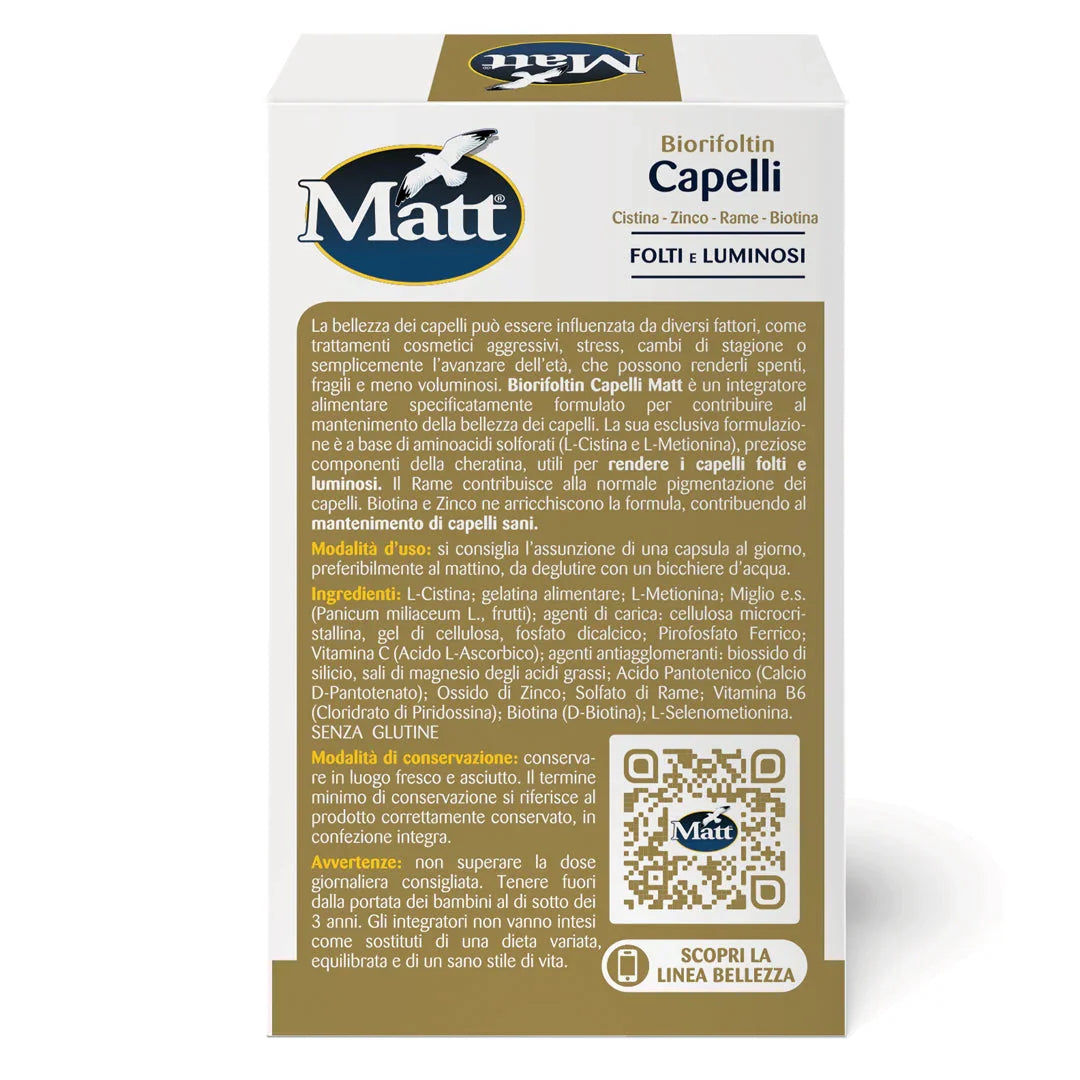
Among the answers to the question "what is zinc for?" one of the most common concerns aesthetics. Zinc contributes to the maintenance of normal skin, hair, and nails.
Scientific Insight: Cognitive Functions and Vision
In addition to its better-known functions, zinc plays a key role in the central nervous system.
Cognitive Function
Zinc contributes to normal cognitive function .
Vision
Zinc contributes to the maintenance of normal vision.
Metabolism and Fertility: A Mineral for Hormonal Balance
Fertility and Reproduction
Zinc contributes to normal fertility and reproduction, as well as to the maintenance of normal testosterone levels in the blood.
Macronutrient Metabolism
Zinc is involved in the metabolism of carbohydrates, fatty acids and vitamin A. It also contributes to normal protein synthesis and normal acid-base metabolism.
Food Sources and Bioavailability
Zinc is found in a variety of foods, but its bioavailability varies dramatically:
- Animal Sources ( high bioavailability ): Oysters (the most concentrated source), red meat, poultry, shellfish, and dairy products.
- Plant Sources (low bioavailability): Legumes, pumpkin seeds, nuts, and whole grains.
The phytate problem: Many plant foods contain phytates, compounds that bind to zinc in the digestive tract, preventing its absorption. For this reason, vegetarians and vegans may need up to 50% more zinc than omnivores.
Zinc Deficiency: Symptoms and Those at Risk
A zinc deficiency can manifest itself with:
· Weakening of the immune system
- Hair loss.
- Delayed wound healing.
- Increased susceptibility to infections.
- Skin rashes.
Those most at risk include the elderly (due to reduced intestinal absorption), people with malabsorption diseases and those who abuse alcohol.
Matt's Commitment to Quality Nutrition
At Matt, we understand that modern life can make it difficult to meet your daily mineral requirements. Our zinc formulations are designed to offer high bioavailability.
We strictly comply with the values established by European legislation to ensure safe and effective supplementation, avoiding exceeding the maximum tolerable dose (Upper Limit) of 15 mg/day established for prolonged use in adults.
FAQ - Frequently Asked Questions about Zinc
1. Can I take zinc and iron together? It's best to take them at different times of the day. Iron and zinc compete for the same intestinal transporters; taking them simultaneously in high doses can reduce the absorption of both.
2. When is the best time to take a zinc supplement? Zinc can cause mild gastric discomfort in some people if taken on an empty stomach. Therefore, it is recommended to take it during or immediately after a meal.
3. How much zinc should I take per day? The recommended daily intake (NRV) for zinc is 10 mg. However, requirements may vary based on gender, age, and lifestyle. Always consult the directions on supplement packaging or consult your doctor.