














Have you ever experienced that strange feeling of being a computer trying to load an overly heavy system update? Days get longer, flowers bloom (or leaves fall), but we feel stuck in "power saving" mode. It's not your imagination: the symptoms of seasonal change are a fascinating and complex biological phenomenon that involves every single cell of our body.
Why does seasonal change challenge us?
Imagine our body as a magnificent symphony orchestra. Every instrument — the heart, lungs, nervous system — must keep time. The conductor of the orchestra is our hypothalamus, a small but very powerful region of the brain that regulates the circadian rhythm, our 24-hour internal clock.
When sunlight changes suddenly (as it does in spring or autumn), the orchestra conductor receives new scores, causing a period of physiological adaptation. During this phase, various individual and environmental factors can contribute to changes in daily habits such as sleep and activity levels. In this context, some people may experience a general feeling of fatigue or variations in concentration, which are multifactorial and subjective responses.
Signals not to underestimate: how to recognize them
Symptoms are not the same for everyone, but there are some commonly described perceptions, including:
- General feeling of fatigue: that subjective perception of lower energy throughout the day.
- Mood swings: Going from enthusiasm for the sun to sudden melancholy.
- Difficulty falling asleep: Despite tiredness, the brain struggles to "shut down."
- Appetite changes: temporary changes in eating habits
Such conditions should not be interpreted as specific signs of deficiencies, but as multifactorial and transient phenomena that can depend on one's overall lifestyle.
As highlighted in the reference texts by Claudio Borghi and Arrigo G.G. Cicero in "Nutraceuticals and functional foods in preventive medicine", targeted nutritional support can be a valuable ally in compensating for temporary deficits that the body experiences during these phases of adaptive stress.
Science on your plate: minerals and vitamins
When the body struggles to adapt, the first line of defense is nutrition. But we are not just talking about calories, but essential micronutrients.
The power of Mineral Salts: Magnesium and Potassium
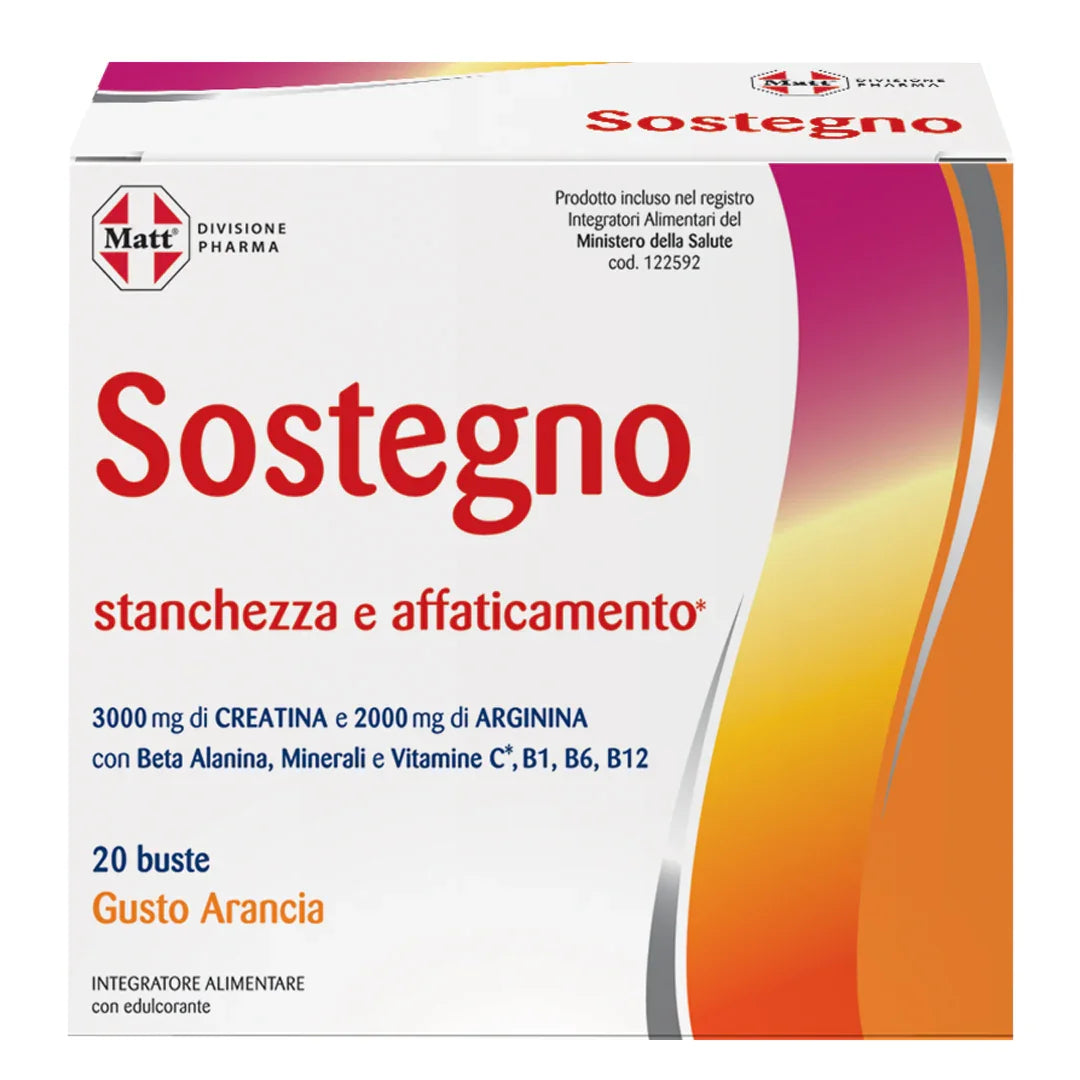
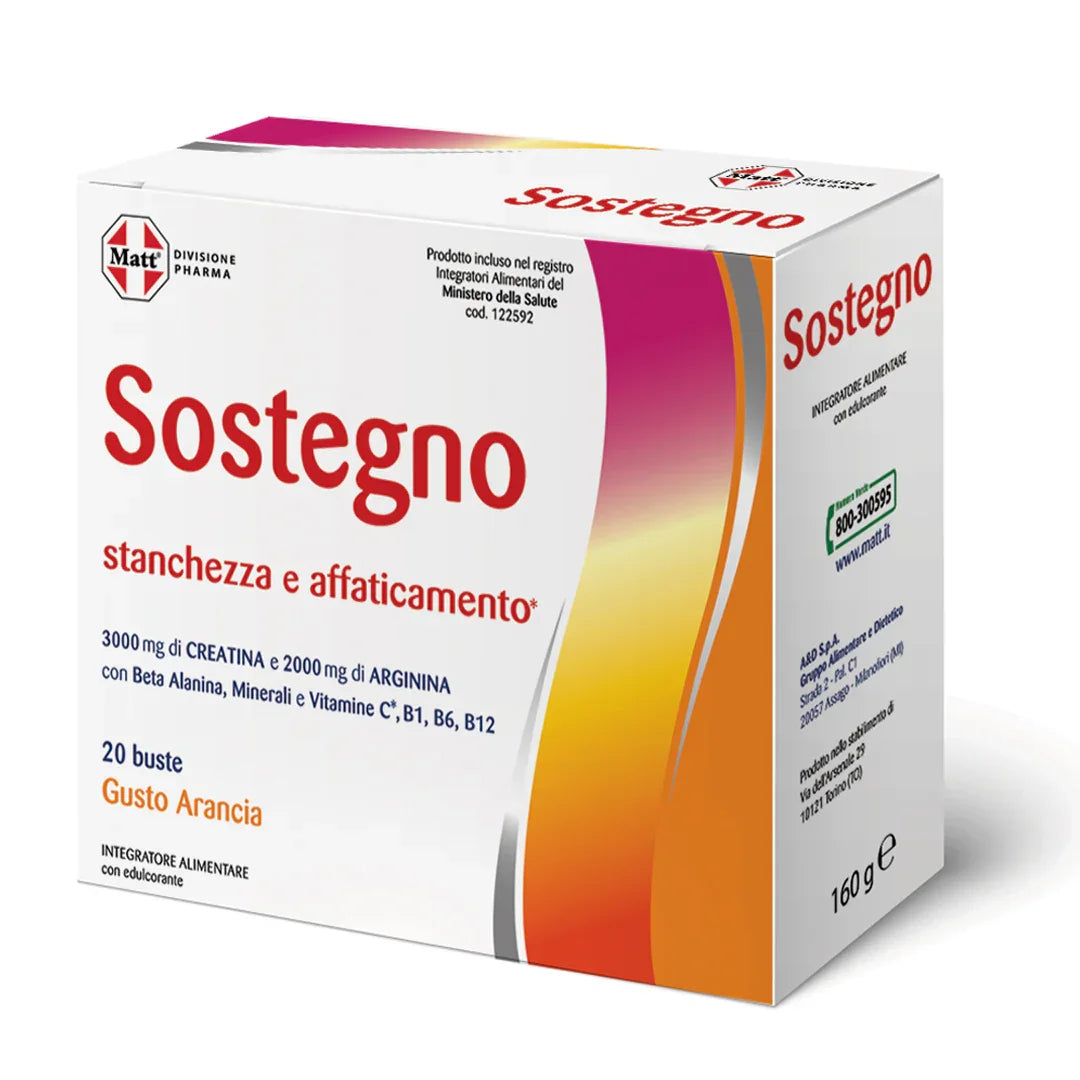
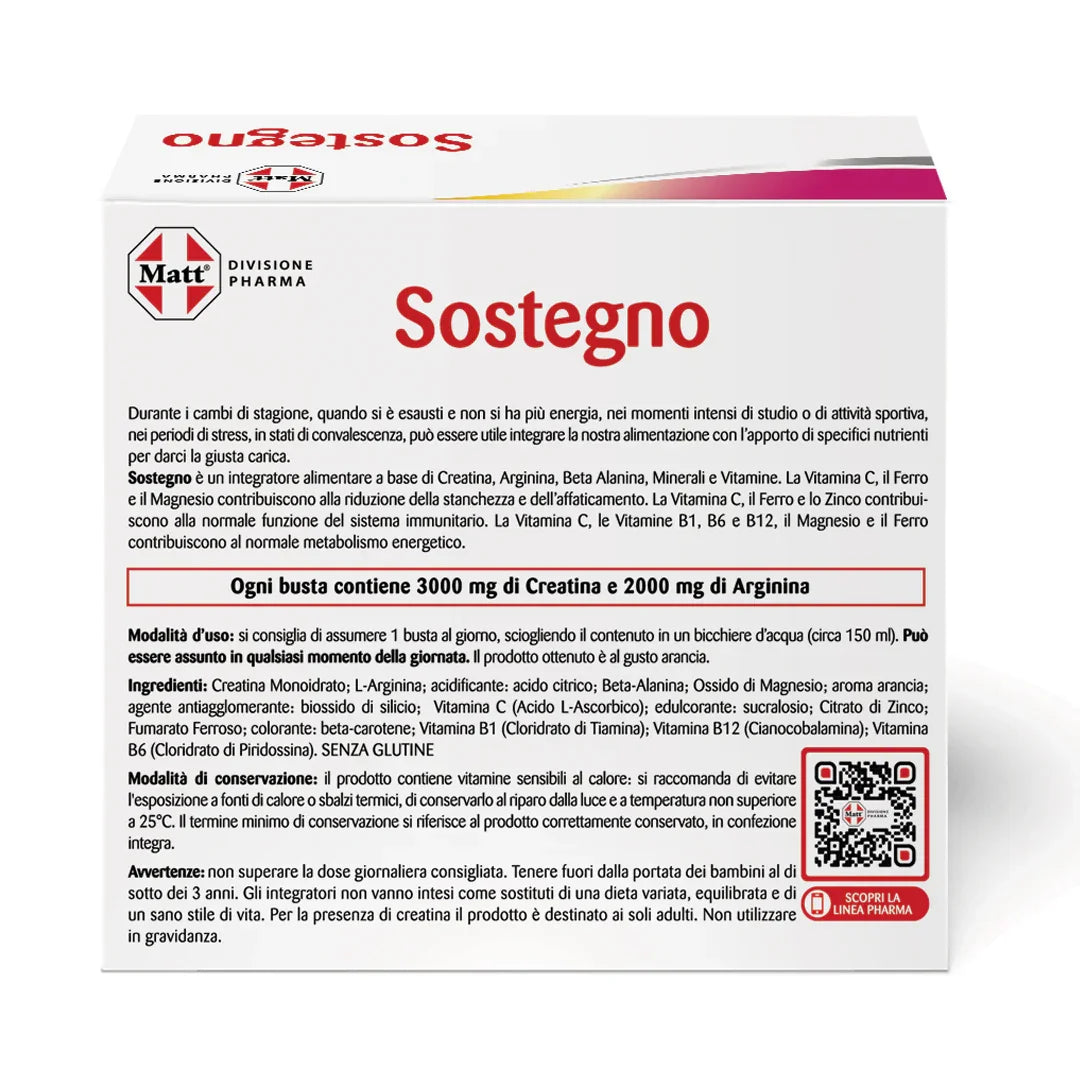
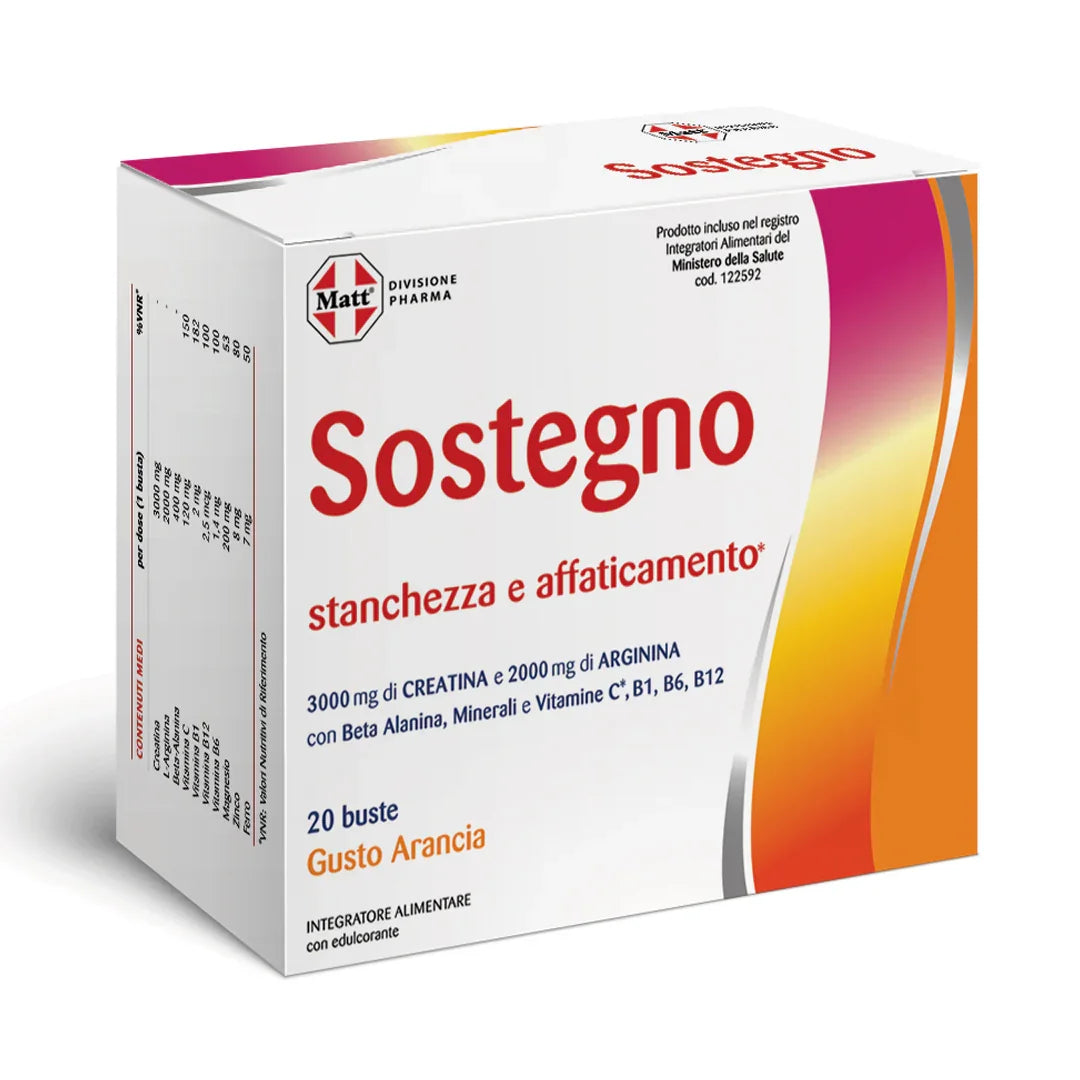
Magnesium is an extraordinary mineral: it contributes to the reduction of tiredness and fatigue and to normal energy metabolism (EU Reg. 432/2012). Together with Potassium, which supports normal muscle function and the nervous system, it forms an unbeatable pair. A product like the Sostegno supplement is specifically formulated to provide these elements in times of particular need.
A curious anecdote: the Queen's secret
Let's move for a moment to the world of bees. Have you ever wondered why the queen bee is so different from the worker bees? She lives much longer and is incredibly fertile and vital. The secret is Royal Jelly. This "food" is a concentrate of nutrients that nature has created to sustain life at the highest levels. Some studies suggest that royal jelly may have tonic and restorative properties (Hendler & Rorvik, "Nutritional Supplements").
In the context of human nutrition, royal jelly is used as an ingredient in some food supplements, such as Matt's Fresh Royal Jelly in vials, which also contains Vitamin B6 and B12 that contribute to the reduction of tiredness and fatigue.
Daily strategies to support general well-being and overcome asthenia
In addition to supplementation, there are small measures that can make a big difference:
- Sunlight: spending time outdoors can contribute to maintaining normal biological rhythms.
- Hydration: consuming sufficient fluids is important for the normal balance of body fluids as part of a healthy lifestyle.
- Small energy boosts: For those with hectic days who cannot afford to be tired, there are practical and quick solutions. Matt's Energy Gummies, for example, are designed precisely for those who need practical and tasty support to face daily commitments.
Scientific insight: what do authoritative texts say?
According to the analyses reported by S. Hendler and D. Rorvik in the renowned text "Nutritional Supplements", nutrient bioavailability is key. It's not enough to "take" something; it's essential that the active ingredient is in a form that the body can recognize and use effectively.
Furthermore, research present on databases such as Google Scholar highlights how the integration of B vitamins is essential to support the nervous system during periods of psychophysical stress. It is important to remember that, pursuant to Regulation 1169/2011, supplements are to be understood as complements to a varied diet and not as substitutes.
Conclusions: listen to your rhythm
Seasonal change is not an enemy, but an invitation to slow down and listen to what our body needs.
How long do the symptoms of seasonal change usually last?
The duration of the adaptation period can vary from person to person and is influenced by several factors, including lifestyle and daily habits. If tiredness persists beyond this period, it is advisable to consult a doctor.
Can I take Magnesium and Potassium every day?
Yes, if taken in the recommended doses and as part of a balanced diet.
Is Royal Jelly also suitable for children?
Products based on royal jelly must be used according to the instructions on the label. Suitability for specific age groups, such as children, depends on the individual product and its formulation; therefore, it is advisable to follow the manufacturer's instructions or seek advice from a healthcare professional.
What makes Energy Gummies different from common tablet supplements?
Energy Gummies offer a practical and pleasant way to take them (without the need for water), ideal for those who have difficulty swallowing tablets or are looking for ready-to-use energy support throughout the day.