
















The feeling of bloating is one of those things that, if you think about it, almost everyone has experienced at least once. You wake up in the morning feeling fine, then by mid-afternoon, you look like you have a balloon under your shirt. Or it might just be a bad lunch, a period of stress, a week of poor sleep — and boom, there it is.
The good news is that in most cases, abdominal bloating is not associated with particularly worrying conditions, and there are several strategies that can help reduce it. The bad news is that there is no universal magic solution — because the causes can vary from person to person, and what helps one person might not have the same effect on another.
In this guide, we try to clarify things simply: understanding where bloating can come from, what can help manage it, and what is just background noise.
First question: why does your stomach bloat?
To find the right remedy, you need to understand — at least broadly — what's happening. Abdominal bloating, in most cases, is associated with the presence of gas accumulating in the gastrointestinal tract or other factors influencing the feeling of tension. This can happen for many different reasons, often combined.
We eat too quickly. When we eat fast, we chew less and tend to swallow more air. That air can contribute to the feeling of pressure and bloating that is especially felt in the afternoon.
Some foods produce more gas than others. Legumes, cabbage, broccoli, onion, garlic, carbonated drinks — these are foods that can promote gas production during digestion. It doesn't mean you have to eliminate them, but knowing that they contribute to bloating is useful.
The gut is not in good shape. The gut hosts billions of bacteria — the so-called microbiota — which perform numerous important functions for the body. When this ecosystem is in balance, everything runs smoothly. When it undergoes alterations — due to stress, antibiotics, irregular or undiverse diet — gastrointestinal problems can arise, including abdominal bloating.
Stress. Yes, that too. The gut and brain communicate continuously through what is called the gut-brain axis. When we are under pressure, the gut can also be affected. Stress can influence gastrointestinal function and contribute, in some people, to the appearance or perception of symptoms like bloating and abdominal discomfort.
Water retention. Sometimes what we perceive as "bloating" is not primarily due to the presence of gas but to temporary fluid retention in the tissues. This can occur especially in women at certain times of the menstrual cycle, but also in the presence of other factors related to lifestyle and eating habits.
Food intolerances. The best-known case is lactose, but there are also other conditions that can cause gastrointestinal problems after consuming certain foods. If bloating is particularly frequent and associated with the same foods, it is worth investigating the situation with your doctor.
What really helps: where to start
Eat slowly.
I know, it sounds trivial. But it is perhaps one of the changes with the best ratio of ease to potential benefit. Chewing well and slowly can reduce swallowed air, promote digestion already in the mouth, and give the brain time to receive the signal of satiety. You don't need to time yourself — just put down your fork between bites and take a break.
Pay attention to drinks during meals
Carbonated drinks are often associated with post-meal bloating because they introduce gas into the stomach. If you frequently suffer from bloating, it may be helpful to consider reducing them and opting for still water.
Don't skip meals (and don't eat too quickly in the evening)
Skipping meals during the day often leads to arriving at dinner hungry — and eating a lot and quickly in the evening can promote the onset of digestive problems in some people. The body slows everything down at night, including digestion, and a heavy, late meal can be more than enough to trigger next morning's bloating. Furthermore, a particularly heavy meal consumed late in the evening can be associated with a greater feeling of heaviness and bloating the following day.
Move after meals
You don't need to run — a 15-20 minute walk is enough. Movement, even light, after meals can promote intestinal motility and contribute to the physiological elimination of gases. It aids intestinal transit, stimulates peristalsis, and promotes gas elimination. It's one of the simplest remedies to implement and many people find it useful for feeling lighter.
Keep an eye on certain specific foods
It's not about eliminating them from your diet — many of these are healthy and important. It's about being aware and, during periods when bloating is particularly bothersome, assessing whether certain foods seem to worsen the sensation of bloating or if they can be prepared differently (legumes, for example, tend to be better tolerated by many people when soaked for a long time and cooked well).
The foods most often associated with bloating are: legumes (chickpeas, lentils, beans), cruciferous vegetables (cabbage, broccoli, cauliflower), onion and garlic, carbonated drinks, chewing gum, and products containing lactose in people who have difficulty digesting it.
Drink enough water
It might seem counterintuitive — drinking more to feel less bloated — but proper hydration contributes to the normal functioning of the body.
Manage stress
Easier said than done, we know. But if bloating seems to appear more often during periods of tension — exams, deadlines, difficult times — then working on stress management can be part of the strategy. Even just 10 minutes of deep breathing, a walk, or any activity that helps you relax can contribute to overall well-being.
The microbiota: the main player in bloating
In recent years, there has been increasing talk about the intestinal microbiota — and rightly so, because it is truly one of the factors that contribute to digestive well-being. Billions of bacteria and microorganisms live inside us, participating in numerous physiological processes.
When this ecosystem is in balance, it can contribute to the normal functioning of the digestive system. When it becomes imbalanced — due to various factors such as antibiotics, prolonged stress, or an undiverse diet — its composition changes, and some alterations of the microbiota have been associated with gastrointestinal symptoms: bloating, intestinal irregularity, and a feeling of difficult digestion.
How can you help your microbiota?
- With a varied diet, rich in fiber, fruits, vegetables, and whole grains
- By eating fermented foods (yogurt, kefir, sauerkraut, miso) that naturally contain beneficial microorganisms or fermentation products
- By reducing refined sugars and ultra-processed foods, which can negatively influence the balance of the microbiota
- Potentially, in some cases, by using probiotics — the famous lactic ferments — during periods when you want to support the balance of the intestinal flora.
The role of supplements in the context of a balanced lifestyle
In some cases, these strategies can be complemented by food supplements, always within a balanced lifestyle and without replacing a varied diet.
Some of the most commonly used categories for those suffering from bloating are mainly three:
Probiotics (live lactic ferments): these are live microorganisms which, if taken in adequate quantities, can contribute to the balance of the intestinal flora. Their effectiveness also depends on their ability to reach the intestine alive, which varies according to the formulation and the resistance of the strains.
Digestive enzymes: they participate in the breakdown of nutrients — proteins, fats, carbohydrates, lactose – facilitating digestive processes. They are often used in cases where bloating is perceived after meals.
Carminative plants: traditionally used for digestive well-being. The best known are fennel and lemon balm — recognized for promoting digestive function and their usefulness in the physiological elimination of gases.
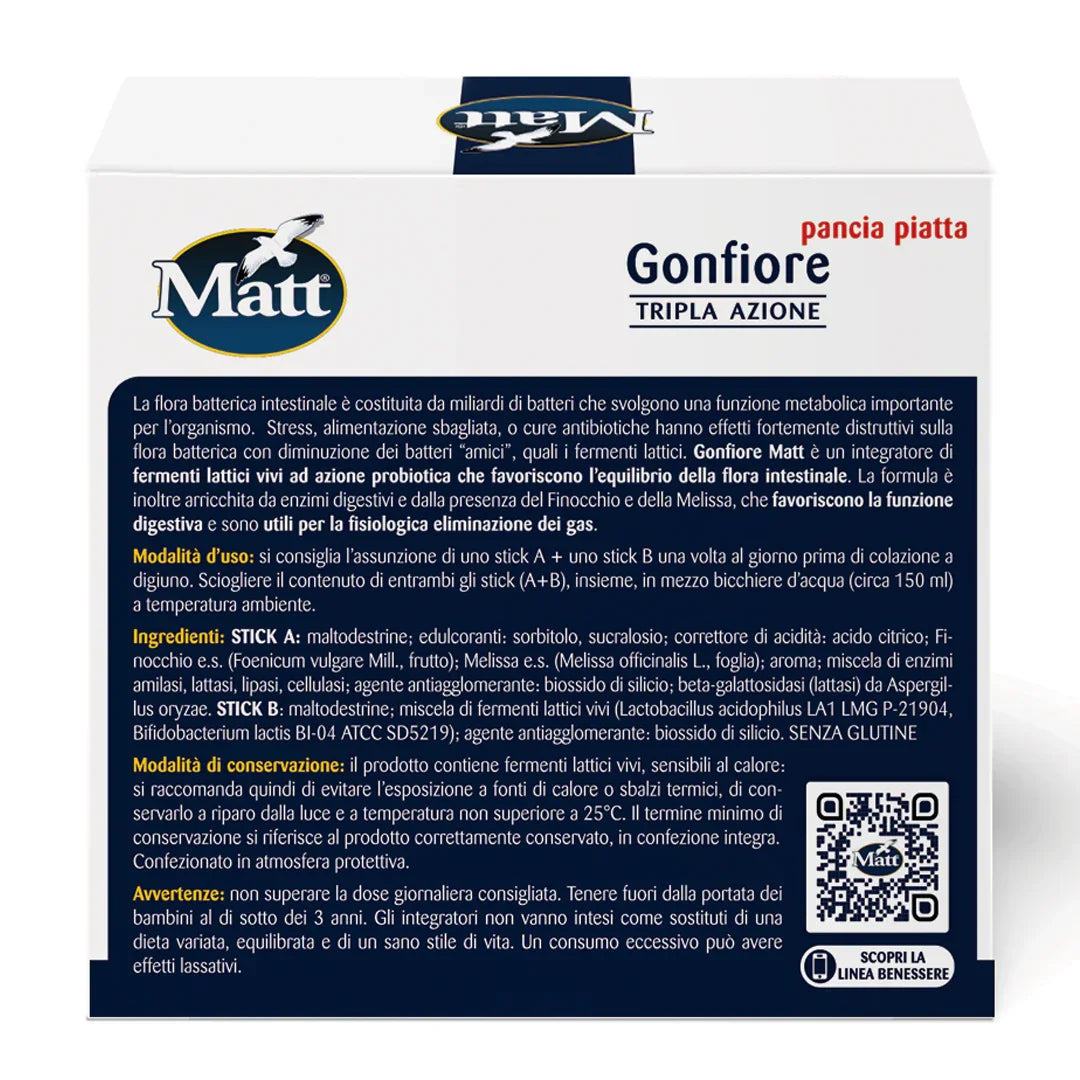
A product that combines all three of these categories is Matt's Flat Belly Bloating: a supplement in very practical double sticks (two sachets to dissolve together in half a glass of water), to be taken once a day on an empty stomach before breakfast.
Each stick provides 3 billion live lactic ferments — including Bifidobacterium. lactis Bl-04 — digestive enzymes (amylase, lactase, cellulase, lipase) and dry extracts of fennel and lemon balm, which promote digestive function and are useful for the physiological elimination of gases. The formula is gluten-free and produced in Italy.
You can find it along with other digestive well-being supplements in Matt's bloating, regularity and intestinal flora line.
Herbal teas: a simple habit that can help
Before supplements existed, there were herbal teas. And some of them are still used today as daily support, especially as part of a balanced lifestyle.
The most commonly used in case of bloating are:
Fennel tea: Fennel is commonly used for digestive well-being and is often chosen after meals for its digestive support action.
Lemon balm tea: it is traditionally used for its relaxing effect, also on a digestive level.
Ginger herbal tea: with a more intense flavor, it is commonly used for digestive wellness and for the feeling of heaviness after a meal.
What doesn't work (or works less than you think)
There are many circulating ideas about "de-bloating" that deserve clarification.
Drastic detox diets: The idea of "cleansing" the intestine by skipping meals or drinking only juices for days is often counterproductive. The body already has its own detox organs (liver, kidneys, intestines) – it doesn't need to be "emptied." Drastic diets often worsen bloating because they further alter the microbiota.
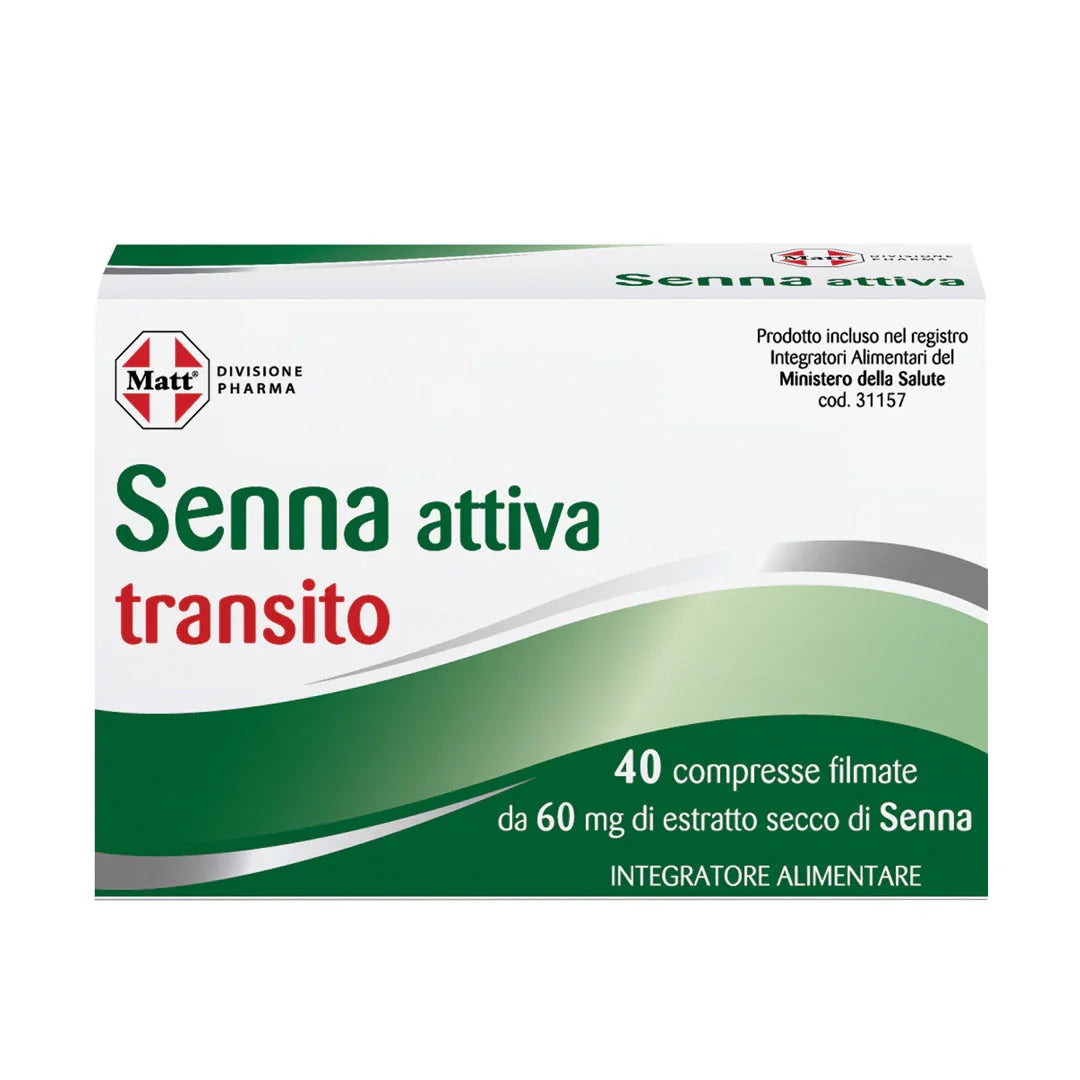
Laxatives "to de-bloat": Unless bloating is clearly linked to constipation, laxatives are not the solution. Regular use can lead to dependence and aggravate the problem in the medium to long term.
Eliminating all carbohydrates: Carbohydrates are not the enemy. Certain types of fermentable carbohydrates (called FODMAPs) can indeed contribute to bloating in some people, but eliminating all carbohydrates is a drastic and unnecessary measure for most. It's better to first understand if there's a specific sensitivity.
Abdominal belts or bands: These physically compress the abdomen but don't solve anything—and can even worsen digestion by pressing on digestive organs.
Small daily tips to keep in mind
- Chew slowly and with attention to chewing; put down your cutlery between bites
- Take short walks after meals — even just 15 minutes
- Maintain good hydration throughout the day, outside of meals
- Limit carbonated drinks, especially during meals
- Try to have regular meals
- Try to manage stress with relaxing activities — even just 10 minutes of deep breathing a day
- Keep a small food diary if bloating is frequent: you can often discover the "culprit" yourself by simply noting what you eat and how you feel afterward
Be consistent: habits work over time, not in a day
Can abdominal bloating depend on the menstrual cycle?
Yes. Some women may notice variations in the sensation of bloating during their cycle or before menstruation, also in relation to hormonal changes and fluid retention.
How often in a day is it normal to feel bloated?
A little bloating throughout the day — especially in the afternoon — is absolutely normal: it's the natural accumulation of gas during digestion. It becomes a problem when it is persistent, painful, associated with other symptoms (significant abdominal pain, bowel habit changes, weight loss) — in that case, it is always advisable to discuss it with your doctor.
Do probiotics help with bloating?
Probiotics promote microbiota balance. The effect can vary from individual to individual and depends on several factors, including the type of strains and long-term use.
What to eat (and what to avoid) to reduce the feeling of bloating?
Certain foods can be associated with increased gas production in sensitive individuals (legumes, cruciferous vegetables, carbonated drinks, chewing gum). In parallel, a varied and balanced diet can contribute to overall digestive wellness. These are not rigid rules, but individual responses.
If bloating is constant, should I be concerned?
If bloating is frequent, persistent, or associated with other symptoms, it is advisable to consult a doctor for an appropriate evaluation.